how to steam clean a mattress Like a Pro
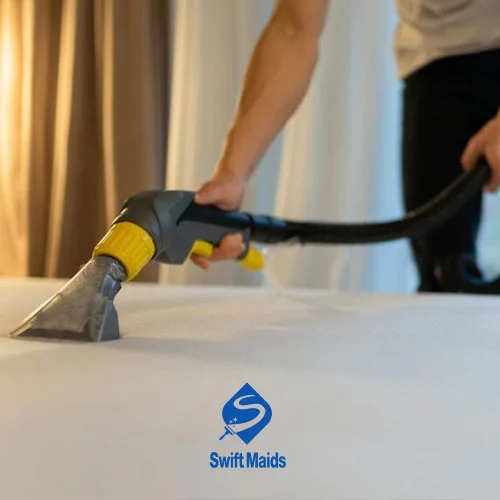
Steam cleaning can be a highly effective method for cleaning and sanitizing mattresses. The heat helps kill bacteria, dust mites, bed bugs, and other allergens that accumulate in mattresses over months and years of use. Steam cleaning can freshen up and extend the lifetime of an older mattress, or prepare a pre-used mattress purchased secondhand. When paired with vacuuming and spot-treating stained areas, passing a steam cleaner across the surface and innards of a mattress can greatly improve cleanliness and air quality during sleep. In this blog post, we overview how to steam clean a mattress. The process is chemical-free and low-impact when done carefully. With the right steam cleaning upholstery techniques, owners can save money on costly professional mattress-cleaning services. When and How to steam clean a mattress Some common scenarios that call for thorough mattress steaming include: Seasonally: Mattresses should be deep cleaned a few times per year – the spring and fall are ideal times. Illnesses: Steam cleaning is recommended after incidents of vomit, urine, or other bodily fluid stains which can introduce germs into the material. Bedwetting: For children’s beds prone to bedwetting accidents, regular steaming keeps odors and moisture from setting in. Changing Sheets: It’s smart to give your mattress a refresh before putting clean sheets on. New Baby: Used crib and bassinet mattresses should be cleaned before a new baby uses them. Secondhand: When acquiring a used mattress, thorough steaming helps remove leftover dirt, skin cells, and stains from previous owners. What to Consider Before Steam Cleaning a Mattress Before taking on a DIY mattress steaming project as part of residential cleaning Calgary, keep the following key factors in mind to know how to steam clean a mattress: Mattress Type and Materials The inner construction of your mattress impacts how it can be properly cleaned and dried after steaming. Memory foam mattresses absorb a significant amount of moisture during the steam process which can take days to fully evaporate afterwards. Coiled spring mattresses have more air space allowing steam to penetrate deeper and moisture to readily wick away. Never steam clean mattresses with electric heating or cooling components built in. Identify what type of mattress filling you have to adjust the cleaning approach accordingly. At Swift Maids you can have access to all kinds of needed materials for your steam cleaning mattresses. Age and Condition Inspect for visible stains that may need spot treatments and determine whether the mattress surface has tears, loose seams, or areas where moisture could be trapped. Older, heavily worn mattresses may not withstand heat or moisture. Prepare stains for cleaning by blotting up fresh spills quickly and pretreating set-in stains prior to steam cleaning. Warranty Concerns Review your mattress sales contract to see whether steam cleaning could impact your existing warranty coverage before proceeding. Many warranties require professional cleaning proof. DIY cleaning can void certain protections if not done following specifications. Drying Considerations The mattress will need up to 48 hours to fully dry out depending on ventilation, humidity, and materials. Ensure there is adequate indoor space to allow it to evenly air dry, free from direct sunlight which could damage the surface. Have a standby sleeping option available during the drying period. DIY Feasibility While steam cleaning can be done personally with proper supplies and care, those with back restrictions, chronic health conditions, or lacking helpers to flip the mattress may wish to opt for professional cleaning services capable of lifting heavy mattresses and handling the process from start to finish more easily. Supplies Needed Gather the following supplies before beginning the mattress steaming procedure: Steam cleaner or steam mop Mattress protector – hypoallergenic vinyl or polyethylene preferred Terry cloth rags or microfiber cloths Essential oils (optional): Tea tree, eucalyptus or lavender work well how to steam clean a mattress Guide Step-By-Step Follow these key steps to how to steam clean bed to eliminate bacteria, allergens, and stale odors: Strip Mattress – Remove all bedsheets, covers, and pillows. Encase the mattress in a waterproof mattress protector if possible. Treat Stains – Inspect for visible stains and use an enzyme-based cleaner or diluted hydrogen peroxide to spot treat and lift old stains before steaming. Steam Surface – Methodically pass the steam cleaner head across the entire top surface, overlapping passes to cover the middle section, corners, sides, and ends. Caution on tufted or intricate areas. Absorb Moisture – Use a dry terry cloth rag to press down and absorb excess moisture brought up by the steam. Flip Mattress – Carefully flip the mattress over to access the bottom side and repeat the steam cleaning process. Let Dry – Allow the mattress to air dry for at least 2 hours before replacing the sheets. Point a fan on it to accelerate drying time. Add Mattress Protector – Finally, encase the fully dried mattress in a waterproof protective cover to shield it against future spills and stains. How Often to Steam Clean a Mattress For optimal cleanliness and allergen reduction over time, consider steaming mattresses: Every 3 to 6 Months Apply protective mattress covers and sheet pads which can simply be washed, while seasonally steam cleaning the mattress itself 1-2 times per year as a deeper clean. Used Mattress Acquisition Steaming is highly recommended to restore sanitation whenever bringing home a pre-used mattress from strangers or secondhand sources before sleeping on it. After Spills or Accidents Spot clean contamination events as they occur, but implement a full, thorough steam cleaning after incidents involving bodily fluid spills or stains that could introduce illness-causing bacteria inside. Ongoing Allergy Flare-Ups If allergy symptoms seem to spike in the bedroom, use steam cleaning to address the underlying dust mite or mold issues which may be in the mattress itself versus just bedding. Pillowtop Mattresses Require More Care The quilted surface of these mattresses traps dead skin cells, organic debris, and dust easily, warranting a more frequent, diligent steam cleaning focus. Follow Manufacturer Guidance Check the attached mattress tag law for specific instructions on cleaning protocols and intervals suggested