Author name: Admin Swiftmaids

How to Clean Hotel Sofa
Blog

How to Clean Hotel Sofa | a Comprehensive Guide

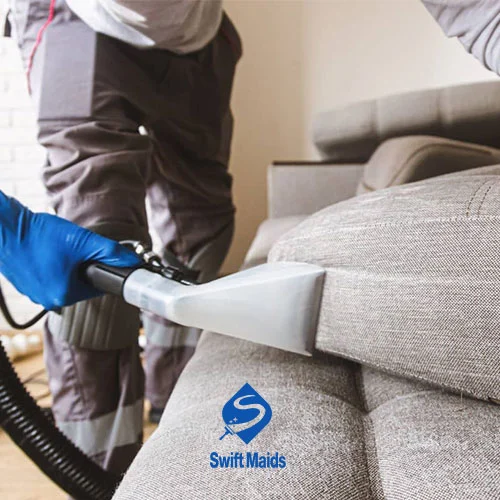
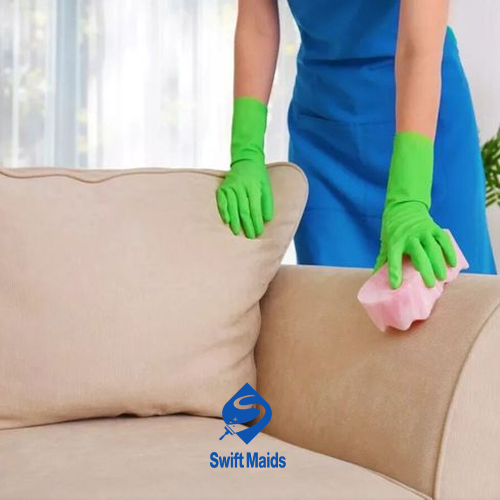
As an important part of the hotel, sofas offer functions such as rest and waiting for people. As you know, many people come and go in the hotel, and in addition to the bed, the sofa also has the most contact with people. We offer you a professional sofa cleaning Calgary service to keep the hotel sofa clean and tidy. The sofa cleaning team knows How to clean hotel sofa and performs the cleaning process based on the specifications of your sofa fabric and guarantees that the color of your sofa will not change. Also, a professional team avoids irrelevant actions because these actions can damage the fabric to a great extent. The importance of maintaining clean sofas in hotel Maintaining clean sofas in the hotel and knowing How to clean hotel sofa is crucial for several reasons, as it directly contributes to the overall guest experience and the reputation of the establishment. Here are some key reasons highlighting the importance of keeping sofas clean in hotels: Guest Comfort and Satisfaction Clean sofas enhance guest comfort and satisfaction. Visitors anticipate a tidy and sanitary setting, and they may get uncomfortable and disgruntled if they are forced to sit on unclean or discolored couches. First Impressions One of the first things visitors frequently notice when they walk into a hotel lobby or room is the sofa. Couches that are spotless and well-maintained give a good first impression and represent the hotel’s general attention to detail and cleanliness. Image and Brand Perception Cleanliness is closely associated with the quality and professionalism of a hotel. Maintaining clean sofas contributes to a positive image and reinforces the hotel’s brand as one that values cleanliness and hygiene. Health and Hygiene Sofas can harbor allergens, dust, and bacteria if not cleaned regularly. A clean environment lowers the risk of allergies and other health problems linked to inadequate hygiene, promoting the health and well-being of visitors. Extended Lifespan of Sofa Sofas and upholstery can last longer with regular cleaning and upkeep. Over time, stains, filth, and grime can cause fabric to deteriorate. By keeping sofas clean, hotels can protect their investment in sofas. Positive Online Reviews Guests often share their experiences online through reviews and social media. Clean and well-maintained furnishings, including sofas, contribute to positive reviews and recommendations, attracting more guests to the hotel. Meeting Industry Standards Hotels are subject to industry standards and regulations regarding cleanliness and hygiene. Regular cleaning of sofas ensures compliance with these standards, helping the hotel maintain its reputation and credibility. Ease of Maintenance Regular cleaning is generally easier and more effective than trying to remove deeply embedded stains or dirt. Routine maintenance can prevent the need for more extensive and costly cleaning or replacement of the sofa. Aesthetic Appeal Clean sofas contribute to the overall aesthetic appeal of hotel interiors. A well-maintained and aesthetically pleasing environment creates a positive atmosphere, making guests feel more comfortable and welcome. Competitive Advantage In a competitive hospitality industry, cleanliness and attention to detail can be a key differentiator. Hotels that prioritize the cleanliness of their furnishings, including sofas, gain a competitive advantage by offering a superior guest experience. How to clean hotel sofa? In this section, Swift Maids is going to talk about cleaning some types of sofas in hotels: Maintenance of velvet sofas You should be careful when cleaning velvet sofas because too much pressure, especially when it is wet, can cause a lot of damage to it. Regular vacuuming and brushing with a special velvet brush will help restore the velvet fabric. Make sure that the velvet does not get wet. If a spill occurs, dab softly with a clean, dry towel as soon as possible. Maintenance of leather sofas Dust resistance is an important feature of leather. Indeed, it does not prevent dust from leaving the surface 100%, but leather sofa does not suffer from serious stains like other items. This is an ideal feature but can lead to stains when hotel guests accidentally spill drinks on the sofa. If properly maintained, quality leather sofas will last for a long time. Remember to keep the leather away from heat as moisture will quickly destroy the leather. Also, direct sunlight causes the color to fade. Oils or conditioners should be applied regularly to the leather duo to the “How to clean hotel sofa” guide, for example twice a year. Maintenance of linen, cotton, and wool sofas Couches whose fabrics are linen, cotton, and wool are a little harder to maintain due to their absorbent nature. But with the help of professional sofa cleaning Calgary services, you can keep their appearance beautiful. Try to avoid sunlight on the sofa as much as possible. Arrange your sofa regularly to prevent it from becoming uneven. The woolen sofa may shed a little when it is new. This is completely normal and does not indicate the poor quality of the sofa. In short, the cleanliness of hotel sofas should not be forgotten. Sofas play an important role in forming the guests’ image of the hotel and can be a determining factor in their decision to return or recommend the hotel to others so hotels should know How to clean hotel sofa. By prioritizing the cleanliness of sofas, hotels can create a positive and lasting impression that will remain among guests for a long time.
steam cleaning rugs
Blog

The Magic of Steam Cleaning Rugs

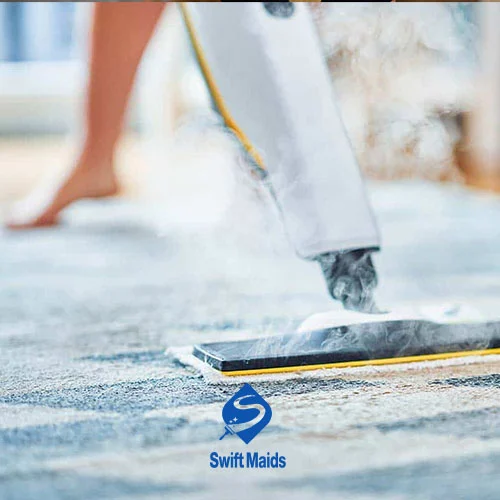
From high traffic walkways to seasonal porch usage, area rugs endure substantial dirt exposure from muddy shoes, food spills and general wear necessitating periodic deep cleaning revitalization beyond surface vacuum passes to maintain aesthetic longevity and sanitization. While rental steam carpet solutions seem convenient accessibility-wise, their low-powered steam and portability limitations constrain effectiveness on common stains and weave depths needing the rejuvenation capabilities professional equipment provides. Commercial truck-mounted steam cleaning systems blast away grime buildup through pressurized vapor flow rates exceeding 1000 psi at dangerously high 275°F+ temps melting even stubborn dirt particles completely upon rug contact. This unmatched heat transfer capability dislodges allergens and brightens faded sections rental units struggle with given considerable fiber density and rug thickness challenges exacerbating pet odors or juice discoloration penetration. Proper steam cleaning rugs safely deep cleans decorative heirloom tapestries just as effectively as contemporary cotton shags when factoring material sensitivities. Pre-Inspection and Stain Identification Before steam application, technicians diagnose rug composition studying microscopic fiber surface traits, edge fray burn responsiveness and dye adhesion using test swabs determining wool, cotton, polyester, or intricately knotted custom material origins. As mentioned, the composition for each sections of the house, requires a special method for cleaning, for example  for couches you can check best way to clean a fabric couch. Findings indicate suitable steam parameters for cleaning success considering heat sensitivity thresholds across discovered fabrics that may bleed colors when exceeding material limitations. Some enzyme cleaning solutions also get advised through prespotting needing light penetration time before commencement enables complete removal without spreading set-in stains beyond restoration permanency if neglected beforehand. Additionally identifying unique stain types through penetrating Ultraviolet illumination reveals contrasts between organic matter like pet urine or wine versus more opaque food dye spills through distinguishable glow signatures. Pinpointing exact stain substance similarly informs suitable pretreat selection from enzyme, degreaser or abrasive gels tailored to associated marks. Only this inspection depth prevents generalized cleaning gambles wasting resources missing targets byinformed application instead. Rug cleaning Calgary services are capable of  all kinds of rug cleaning techniques that you night need such as Swift maids. Understanding Steam Cleaning rugs Rugs or carpet cleaning techniques require deferent approaches.  Let’s dive into the intricacies of steam cleaning and why it stands out as a preferred method for rugs. How Steam Cleaning Works Unlike traditional methods that merely address surface dirt, steam cleaning employs hot water vapor to penetrate deep into rug fibers. This process not only lifts visible stains but also eliminates hidden allergens, bacteria, and odors. Benefits of Steam Cleaning Discover the myriad advantages of steam cleaning rugs, from efficient stain removal to allergen eradication. We’ll explore why this method is gaining popularity among homeowners seeking a thorough and eco-friendly cleaning approach. The Comprehensive Cleaning Process Unlike DIY methods that often address surface-level dirt, professional steam cleaning takes a deep-dive approach. The process involves several meticulous steps to ensure a thorough and lasting clean. Pre-Inspection Before commencing the cleaning, professionals conduct a detailed pre-inspection of your rug. This step helps identify specific areas of concern, such as stains or wear, guiding the cleaning process for optimal results. Dust and Debris Removal Rugs act as magnets for dust and debris, especially in high-traffic areas. Professional steam cleaning rugs includes a thorough removal of these particles, preventing them from settling deeper into the rug fibers over time. Steam Cleaning Application The heart of the process lies in the application of steam. Professionals use specialized steam cleaning machines that deliver hot water vapor deep into the rug fibers. This not only lifts and dissolves stubborn stains but also eliminates allergens, bacteria, and odors, leaving your rug refreshed and hygienically clean. Extraction and Drying The powerful suction capabilities of professional-grade equipment ensure efficient water extraction. This step is crucial to prevent issues like mold growth. After cleaning, rugs are dried thoroughly, often in a controlled environment, ensuring that they are ready to grace your living space promptly. The Expertise Behind Professional Steam Cleaning Professional steam cleaning rugs services distinguish themselves through the expertise they bring to the table. Trained professionals understand the intricacies of different rug materials, from the delicate fibers of Oriental rugs to the robust textures of woolen ones. This specialized knowledge ensures that the cleaning process is not only effective but also tailored to the unique characteristics of each rug. Material-Centric Approach Different rug materials demand different care. Professionals assess the fabric, dye, and construction of your rug before embarking on the steam cleaning journey. For instance, while silk rugs may require a gentle touch, woolen rugs can withstand a more robust cleaning approach. This material-centric approach guarantees optimal results without compromising the integrity of the rug. State-of-the-Art Equipment Professional steam cleaning services invest in cutting-edge equipment that surpasses what’s available for DIY use. Industrial-grade steam cleaners with variable pressure settings ensure that every rug receives the exact treatment it needs. The equipment’s powerful suction capabilities extract moisture efficiently, leaving rugs not only clean but also free from residual dampness that could lead to mold or mildew. Aftercare and Protection Options Although intensive steam cleaning restores rug appearance immediately post-appointment, rapid resoiling risks persist along high traffic common areas and entertainment spaces prone to recurring spills and soil contact transfers from shoe activity. Optional protection applications introducing anti-stain barrier shields and soil retardants provide renewable safeguards boosting cleaned investment preservation when budget allow. These supplemental layers add weeks and months of added repellency durability defending revitalized state against inevitable recontamination exposures indoors when frequent maintenance unrealistic. Coupled with monthly pile lifting touch-ups between yearly or biannual deep cleaning pursuits, total rug longevity bolstered keeping interior centerpieces refreshed perpetually Common Rug Cleaning Challenges Years of pet odor buildup within neglected rugs often resist full deodorizing capability challenging steam cleaning effectiveness despite superior heat energy applications in isolation. Here advancing enzymatic solutions tailored to urine composition digestions provide pivotal pre-soaking steps loosening urine salt crystallization ahead allowing steam wand liberation in tandem for complete elimination. Such chemistry optimizations set

How to Clean Sofa at Home Without Vacuum Cleaner
Blog

How to Clean Sofa at Home Without Vacuum Cleaner Incredibly

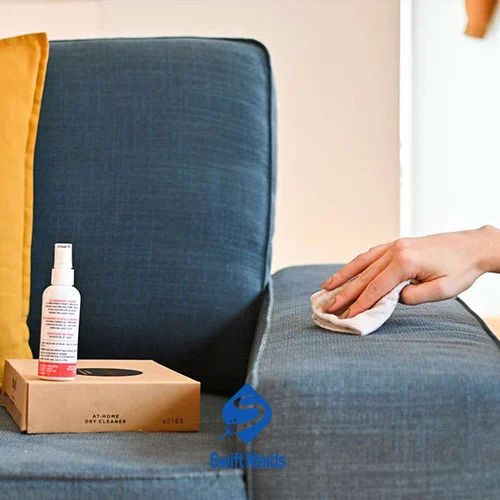
After a long and tiring day, we all like to sit on the sofa and vent when we get home. Most of the time, children spend many hours on the couch watching TV or playing video games. As a result, it is very important to keep the sofa clean because it is one of the most used furniture in the house. Also, the sofa is one of the important components of home decoration. If you do not clean your sofa regularly, it may cause a bad smell and disturb the beauty of the house. Our recommendation is to clean your sofa at least once or twice a month. You can clean your sofa easily at home without the need for much equipment. This article simply teaches you the process of “How to Clean Sofa at Home Without Vacuum Cleaner“. Reasons for cleaning the sofa without a vacuum cleaner Sofas can be cleaned in different ways. A vacuum cleaner is one of the most common cleaning tools in the home. Various models of vacuum cleaners are suitable for cleaning the sofa, but some people do not want to clean their sofa with a vacuum cleaner. Before we talk about How to clean sofa at home without vacuum cleaner, we decided to tell you the reasons for cleaning the sofa without a vacuum cleaner. In general, there are two reasons for not using a vacuum cleaner to clean the sofa: first, cleaning with a vacuum cleaner can disturb the condition of the fabric used to cover the sofa; Second, sometimes the vacuum cleaner is not effective enough to clean the hard stains of the sofa, it should also be said that the vacuum cleaner only cleans the outside of the sofa and does not deal with the parts that are difficult to access. How to clean sofa at home without vacuum cleaner The steps to clean a sofa without a vacuum cleaner are as follows: Prepare The Couch Beat the cushions removing dust and debris Brush it off (Dustpan and brush) Use lint roller magic Tackle individual stains Refresh with baking soda Read this section for complete instructions on these steps. Prepare The Couch Begin the first step of cleaning by removing cushions, pillows, or covers from the sofa. This will give you the ability to clean all parts of the sofa more carefully. Shake any kind of garbage and dirt from the cushions and pillows, you can tap them to get the dust out of them. Beat the cushions removing dust and debris Use a tool to gently tap the sofa cushions, supports, and other parts of the sofa to completely remove the embedded dirt and dust. Hold the cushions upright and tap the sides firmly to remove excess dust and debris. Repeat this for all the cushions and cover both sides of the couch. Brush it off With the help of a soft brush, gently brush all the surfaces of the sofa. It’s best to do this from the top down, making sure to brush along seams, crevices, and any areas where debris may accumulate. This process helps to remove surface contamination, hair, and other particles. Use lint roller magic Lint rollers can be a very useful tool for removing pet hair, lint, and hair from your sofa. Roll the lint rollers on the surface of the sofa and pay more attention to the areas where the hair tends to collect more. The sticky surface of the roller absorbs the hair easily. If needed, you can replace the adhesive sheet on the lint roller to make sure of its optimal performance. Tackle individual stains To remove specific stains on your sofa, you can make a DIY stain remover from household materials. Mix equal amounts of soap and water in a bowl. Moisten a clean cloth or sponge with the prepared solution and gently wipe the stain from the outer edges to the inside, this will prevent it from spreading. Be careful not to over-wet the fabric and always do a test on a small area of the sofa before applying the solution to the stain. Refresh with baking soda Baking soda is an excellent odor absorbent that can help freshen your sofa. Sprinkle a generous amount of baking soda over the entire surface of the sofa and let it sit for at least 15 minutes, or longer if possible. This allows the baking soda to absorb all the odors. After that, gently apply baking soda on the sofa using a brush or soft cloth. Finally, use a clean cloth to wipe off the remaining baking soda. How to remove baking soda from the sofa without a vacuum cleaner? Getting baking soda out of the sofa without using a vacuum cleaner can be difficult, but it can be done: Remove the couch cushions and remove the baking soda from them. Clean where the cushions were with a duster and brush. Clean every part of the sofa where you saw baking soda with a duster. Spray a mild detergent on your sofa to dissolve the remaining sugars. Use a cloth to wipe off the remaining powders. Allow Time to Air After cleaning, it is very important to let the sofa completely air dry. Open the windows or you can turn on a fan to create easier airflow, this will help prevent musty odors and mold growth. How to remove dust from the sofa without a vacuum cleaner? Is there just some dust on your sofa and you want to know How to clean sofa at home without vacuum cleaner? Try using a simple mixture of white vinegar and baking soda in a spray bottle. Spray it on your sofa, then you can easily wipe off the dust with a clean cloth. This method works by turning dust into a solid mass instead of scattering particles that you can easily remove. People like to use this method when they just want to freshen up their sofas and don’t need to deep clean

Best Way to Get Stains Out of Mattress
Blog

Discovering the Best Way to Get Stains Out of Mattress

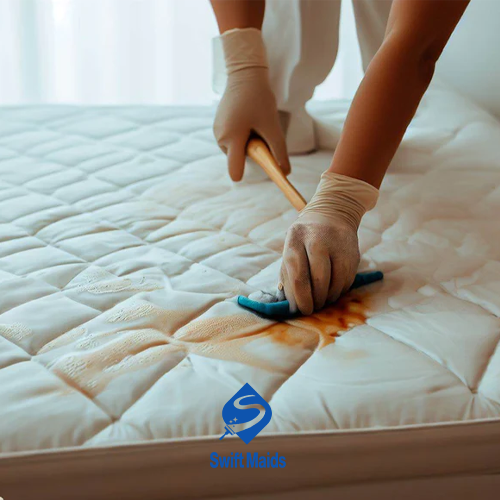
People dedicate a significant amount of time to sleep or rest in their beds, inevitably leading to wear and tear on sleeping surfaces. These surfaces often absorb leaks and bodily fluids, resulting in a variety of stains and odors. Pillows, sheets, and mattress covers are especially prone to damage, making it essential to clean them effectively with the Best Way to Get Stains Out of Mattress. While the process of eliminating stains from a mattress can be intricate, understanding the most effective methods is crucial. It is important to recognize that appropriately cleaning mattresses not only prolongs their lifespan but also enhances comfort and fosters a healthier sleeping environment. Stain removal plays a pivotal role in this overall cleaning process. This article aims to guide you on the best approach for getting stains out of a mattress, emphasizing the use of suitable materials to restore your mattress to its original condition. How often should you clean the mattress? Having a regular mattress cleaning schedule duo to the Best way to get stains out of mattress can help keep your mattress free of bacteria, allergens, and more. Of course, don’t worry, you don’t need to clean the mattress as much as you wash the sheets. So it is better to keep your mattress healthy and hygienic by following the steps: Immediately clean any type of stain that occurs. Vacuum the mattress monthly. Clean your mattress twice a year. Before attempting to clean your mattress, you should check the manufacturer’s cleaning recommendations and make sure you follow the conditions listed. Also, keep in mind that most mattress warranties won’t cover damage, including discoloration, stains, or damage from spills or cleaning products. Best way to get stains out of mattress It doesn’t matter what type of mattress you have, you should always read the care label on it to be aware of the manufacturer’s recommendations or precautions. Never wet your mattress with water or liquid cleaners. Mattresses are not designed to get wet, especially memory foam mattresses. These mats do not dry quickly, so they stay wet for a long time and lead to mold. Rubbing alcohol, hydrogen peroxide, vinegar, laundry detergent, citrus-based household cleaners, and dishwashing soaps are some of the best stain removers for mattresses. Steps to remove stains from the mattress Swift Maids experts recommend a few main steps for cleaning minor stains on the mattress, which are as follows: Absorb: For wet stains, wipe them with a dry towel until no liquid is absorbed by the towel, do not rub but use pressure to remove the moisture. For dry stains, first scrape and vacuum. Moisten the desired area with a damp cloth, then go to the second step. Add soap: Spray or rub the desired cleaner slowly on the spot. Some stains, including blood, should be left with the cleaning solution for 1 to 10 minutes. Blot: Press the stain area and dry with a cloth or paper towel to absorb the liquid. Continue this process until no more liquid comes out. If necessary, repeat the second and third steps. Air dry: It is ideal to place the mattress outside and under the sun, but if you cannot provide these conditions, try to allow air and sunlight to circulate in the room as much as you can. Open the windows draw the curtains and run a fan. Depending on the size of the mattress stain, it may take several hours to dry completely. Tip: When the mattress is completely dry, you can sprinkle some baking soda on the desired area to make it smell good so that it absorbs the lingering odors. The most common mattress stains and how to remove them Different stains on the mattress are removed in different ways. If you follow the important tips for cleaning mattress stains, you can easily remove the most common stains and increase the life of your mattress duo to the upholstery cleaning Calgary guide. Blood There are various solutions to remove blood stains from the mattress, but the most effective way to do this is to use white vinegar or 3% hydrogen peroxide. It is better to remove stains on time. Pour a small amount of white vinegar or hydrogen peroxide directly on the mattress stain. If you use vinegar, let the stain stay wet for 10 minutes, dry, and repeat if necessary. If you use a cup of hydrogen peroxide, be aware that your stains will foam in contact with this substance. Wipe the floor, then let the area sit for 5 minutes. Now remove the material with a towel dipped in cold water and dry the part you have cleaned with the help of the guide mentioned above. Pet urine Urine stains, especially pet urine, are among the most common stains on mattresses. To remove these stains, it is better not to use bleach or hot water because they may have different effects on the mattress. When removing urine stains from the mattress, follow the procedure below. To remove this stain, it is better to use an enzyme-based upholstery cleaner for pet stains. After doing the first step according to the guide above, wet the stain, then place a paper towel or wet cloth on it and press on it for a few minutes. Repeat this with a dry towel until the area is slightly damp. Now, with the help of a clean towel dipped in cool water, rub that part and let it stay for 1 minute. Apply the enzyme cleaner and let it sit on the stain as directed. Wipe the liquid area by applying pressure on it, then dry the desired part in the air. If the smell or dirt is visible after drying, you can use an odor neutralizer or stain remover for the carpet. Vomit Vomit stains become common for you when you have a baby, but cleaning up vomit can be one of the most time-consuming processes, so it is better to follow the steps below to make cleaning this

Upholstery Stain Removal
Blog

Beyond Spots and Dots |Upholstery Stain Removal Demystified

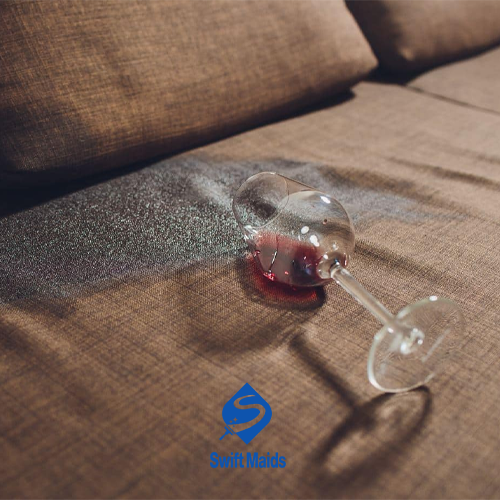
Even the most careful homeowners can end up with stains on their furniture. Luckily, store-bought chemical cleaners aren’t the only solution for upholstery stain removal. These cleaners might contain harsh chemicals you’d rather avoid, or they may not work well on certain fabrics, and can be pricey too. For these reasons, DIY upholstery stain removal methods can be a more attractive option. The good news is, most of the ingredients you’ll need are already in your kitchen! DIY Upholstery stain removal cleaners are usually cheaper are completely safe for pets and children, and are more effective at removing stains from fabrics. Upholstery cleaning calgary requires patience and effort, so be prepared to do this process correctly and effectively. Before starting the Upholstery stain removal process The key to Upholstery stain removal is to clean it as soon as possible. Also, the type of cleaner that is used must be known, that is, you must know which type of cleaner is effective for which type of fabric. Before you start the cleaning process, you should look for fabric care instructions and cleaning codes, this information can be found on their labels. To avoid damage to the fabric, you must follow their instructions. In the following, we have introduced the codes that indicate the type of cleaning solution for interior appliances: W: Stands for water-based conditioners. These fabrics can be cleaned with water-based products. Also, these fabrics are durable enough and resist being washed and vacuumed by interior appliances. However, you should be careful not to wet the cloth too much because water stains may remain on it. S: They require solvent, which means they can only be dry-cleaned W/S: These fabrics can be cleaned with water-based cleaners or dry-cleaning solvents. X: These fabrics cannot be cleaned with dry or water-based solvents. They can only be cleaned with soft brushes and a vacuum cleaner. However, if the interior of your home is made of this type of fabric and needs more cleaning, we can get help from a professional Swift Maids cleaning team. In addition to checking the specific codes, it is better to test the desired cleaning solution on a small part of the fabric to see what the result is. It is better to know that cleaning interior appliances regularly leads to the easy removal of dirt, thus making this process easier. Upholstery stain removal tips and the best ways to clean It can be said that there is no universal product or method for Upholstery stain removal. Any stain should be cleaned according to the type of substance, the time it has been spilled, and according to the type of interior appliances. If you are looking to know how to remove stains from upholstery, you can read this section till the end: Removing coffee stains Don’t panic if your coffee cup is spilled on your couch one morning. You can clean it quickly and easily with soap and water. Note that after using some soap, you should use a cotton cloth and clean the entire surface to let it dry. Removing juice stains Juice stains are a bit difficult to clean, but not impossible. Prepare a solution of vinegar and ammonia and mix well until the result is a homogeneous mixture. When the solution is ready, you should apply it to the stains and let the mixture do its work and you don’t need to do anything else. Removing beer stains Just like coffee stains, use soap and water to remove beer stains. If the stains are old, you can use another cleaning method: make a mixture with a tablespoon of vinegar and half a liter of water. Apply it on the desired stain and then wait a few minutes clean it with cool water and let it dry. Removing red wine stains This method removes even the toughest stains: Cover the stain with some salt and let it soak in. When the cloth is dry, remove the salt and then vacuum. If you see a blood stain on the furniture, you should clean it before it dries. Use a cotton cloth, wet it with a little cold water, and then carefully wipe the stain and let it dry completely. Removing jam or marmalade stains If jam or marmalade is spilled on your furniture, you should clean it with a solution of soap and vinegar. After drying the desired area, you should clean it with a cotton cloth dipped in warm water and then allow it to dry again. Removing chocolate stains Clean the chocolate stains with a solution of soap and warm water and then let the desired part dry naturally. Removing tea stains You can clean this type of stain quickly and easily with the help of a solution of water, vinegar, and some detergent. After you apply the solution to the spots, leave them to dry and then you will see that there is no trace of the spots left. Removing the gum stain and separating it from the fabric Well, this is the worst situation that can happen to any person, but the good news is that there is a solution to this bad situation. The easiest way to remove gum stains is to put an ice pack on it. After it hardens, you can separate it. In fact, with this method, there is no more sticky material, but the job is not over yet, you need to apply some methyl alcohol to the area to finish the cleaning process. Hire a professional team for Upholstery stain removal Are you still not sure how to clean the stains on the upholstery? Don’t you want to easily damage your expensive furniture? Put your mind at ease by booking a professional Upholstery stain removal team. We will provide in-depth stain-cleaning services for your upholstery. Allow our team to remove stains the right way and take care of your upholstery. Our experts are all aware of what products to use for each type of upholstery and fabric.

best way to clean a fabric couch
Blog

What is the Best Way to Clean a Fabric Couch ?

Many homes find fabric couches to be a must-have because they’re comfy, stylish, and versatile. But with regular use, fabric gets dirty, stained, and grimy. This can shorten the couch’s lifespan and make it look worn out if not cleaned properly. Our in-depth blog on couch cleaning Calgary will provide methods and tricks for the best way to clean a fabric couch, bringing back its fresh look and making it last longer. Assessing Fabric Type Not all fabric couches can be cleaned identically. Identifying if the upholstery is a natural fiber like cotton, wool, or linen versus synthetic like polyester is key. Fabric content determines which products and methods are suitable. Check tags for the manufacturer’s cleaning code which categorizes fabric as ‘W’ for water-based cleaning, ‘S’ for solvents, or ‘WS’ for both. This informs the safest approach. For other furniture like leather couches, you need a different approach. Regular Upkeep Following consistent care routines minimizes the need for deep cleaning. Weekly vacuuming lifts dirt from the surface. Spot-treat stains immediately before they are set using a dabbing cloth. Flip, turn, and fluff cushions to spread wear evenly. Use furniture covers to protect from pets and kids. Avoid eating, drinking, or placing harsh chemicals near the couch. With proactive habits, major cleaning becomes less frequent. Essential Tools and Materials Having the right supplies expedites cleaning and makes it more effective. Key tools include a vacuum cleaner, towels, scrub brush, scraper, and sponges. Mild dish soap diluted in warm water serves as a gentle natural cleaner. Optional cleaners are upholstery shampoo or foam. White vinegar cleans and deodorizes while hydrogen peroxide lifts stains. Always spot test cleaners first for colorfastness. Avoid harsh chemicals that may damage the fabric. Water-Based Cleaning Method Water-based cleaning is the safest and one of the best way to clean a fabric couch For ‘W’ coded fabrics. First vacuum thoroughly and spot treat any stains. Mix a solution of mild soap and lukewarm water. Working in manageable sections, apply solution and scrub using a sponge or soft brush. Avoid excess rubbing. Rinse with clean water and pat dry with a towel. Aim for even coverage; go over the entire couch to prevent water marks. Let dry completely before using. Solvent-Based Method For ‘S’ coded synthetics, water can cause damage – use a solvent-based foam cleaner instead. Vacuum first then apply foam evenly across the fabric surface. Let dwell for 5-10 minutes. Use a brush to gently work foam into the material to lift dirt. Rinse with a clean cloth and repeat the process until no residue transfers onto the towel. Wipe excess moisture then allow to fully dry before using the couch. Properly ventilate the area. Overall Fabric Refresh Extending the Cleanliness Routine maintenance involves more than spot cleaning. Learn the art of cleaning the entire couch using a mild detergent-water mixture. Discover the benefits of using a soft brush and the impact it has on the longevity of your fabric. Steam Power For a deeper clean and a fabric revival, steam cleaning is the way to go. Unearth the advantages of this advanced technique, from removing embedded dirt to giving your fabric a fresh lease on life. Stain-Specific Cleaning Techniques For challenging stains, use targeted treatments: Ink Stains | The Art of Precision Ink stains require a delicate touch. This section explores the use of rubbing alcohol and commercial stain removers to eradicate ink-related disasters. Wine and Food Stains | Quick Action Plan Swift action is crucial when dealing with food and wine stains. Discover the efficacy of a mixture of water and white vinegar in ensuring these stains leave no lasting impression. Pet-Related Stains | A Special Battle Pets are beloved members of the family, but accidents happen. Arm yourself with enzymatic cleaners designed specifically for upholstery to combat and eliminate pet-related stains. Rinse thoroughly afterward. For tough odors, sprinkle baking soda before vacuuming. Avoid oversaturating fabric while treating stains. Pat dry instead of rubbing. Routine Maintenance Tips These routine tips can definitely work as best way to clean a fabric couch in long term. Vacuuming Rituals Regular vacuuming is the first line of defense against dirt buildup. Develop a routine that suits your lifestyle and keeps your fabric couch in top-notch condition. Fluffing and Rotating Cushions bear the brunt of everyday use. Explore the benefits of fluffing and rotating cushions to ensure even wear, maintaining the overall integrity of your fabric couch. The Shield of Fabric Protectors Prevention is key. Learn about the advantages of applying fabric protectors to shield your couch from future spills and stains. Professional Assistance With the following tips, you can make a wise decision as to the best way to clean a fabric couch. Knowing When to Seek Help Some battles are best left to the experts. Understand when it’s time to call in professional cleaning services for those stubborn stains or a comprehensive annual refresh. Signs of Professional Intervention Recognizing the need for professional assistance involves more than stubborn stains. Learn to identify signs such as persistent odors, deep-seated dirt, or extensive wear that warrant the expertise of professionals. Choosing Wisely Not all cleaning services are created equal. Explore the criteria for selecting the right service that aligns with your fabric upholstery’s unique needs. Factors such as experience, customer reviews, and specialized knowledge should guide your decision. Consultation and Assessment Professional fabric couch cleaners often begin with a thorough consultation and assessment. Understand what to expect during this phase, from evaluating the fabric condition to discussing your specific cleaning requirements. Customized Cleaning Plans The best professional services tailor their cleaning approach to your fabric’s needs. Explore how customized cleaning plans ensure optimal results while preserving the integrity of your couch. Advanced Cleaning Technologies Professional fabric couch cleaners leverage advanced technologies. Dive into the world of steam cleaning, dry cleaning, and other cutting-edge methods that ensure a deeper, more effective clean. Maintenance Recommendations A reputable professional service doesn’t just clean; they guide you on post-cleaning maintenance. Explore the

professional sofa cleaning
Blog

The Ultimate Guide to Professional Sofa Cleaning Services

Sofas are heavily used furniture items that accumulate dirt, stains, and odors from daily life. Regular cleaning is vital for maintaining hygiene, visual appeal, and longevity. At Swift Maids, we provide insights into optimal professional sofa cleaning techniques and products for various natural and synthetic fabrics. It is important to understand fabric composition, cleaning codes, and effective methods such as vacuuming, spot cleaning, and deep cleaning to ensure proper care. Professional cleaning processes rejuvenate sofas effectively. Entrusting your sofa to professional services elevates your home’s cleanliness and extends the sofa’s lifespan. Discover the benefits of professional sofa cleaning with Swift Maids for a refreshed living space and enhanced comfort. Identifying Fabric Composition Knowing the fabric composition of your sofa can help you to clean it in a proper way. Fabric Types Natural fibers like cotton, wool, silk, and linen have different cleaning properties than synthetics like polyester, nylon, and microfiber. Always consult the manufacturer’s tags indicating ‘W’ for water-based cleaning or ‘S’ for solvent-based methods. Proper identification informs suitable products. For leather sofa cleaning you need a different cleaning process. Cleaning Codes Care labels with cleaning codes categorize durability, breathing, water-solubility, shrinkage, and other fabric behavior. ‘W’ means water-based cleaners only, ‘S’ is solvents only, ‘WS’ indicates both are safe. Knowing fabric chemistry prevents damage from incompatible cleaners. Test Hidden Area When unsure, pretest a cleaning product on a hidden underside area for any discoloration or damage before using it on visible surfaces. Spot check to confirm cleaning agent compatibility with that specific sofa fabric. Caution prevents irreversible damage. Vacuuming and Spot Cleaning here are some tips for spot cleaning. Regular Vacuuming Use a soft brush attachment when vacuum-cleaning upholstery weekly to lift dust, pet hair, crumbs, and surface dirt. Avoid abrasive scrubbing or strong suction that could snag or distort fibers. Frequent light vacuuming prevents the buildup of particles that embed deeper over time. Immediate Spot Treatment Promptly blot any spills or stains with an absorbent cloth to soak up the liquid before it penetrates and sets. Avoid excessive rubbing which forces particles deeper into the fabric weave. For dried stains, gently scrape off encrusted matter before treating. Timeliness makes removal easier. Deep Cleaning Methods Two major methods for deep cleaning include: Foam Extraction Most natural fabrics tolerate water-based foam extraction using an upholstery attachment to flush dirt from deep in fibers and then thoroughly rinse clean. For synthetics, solvent-based spot cleaners dissolve oil and grease deposits. Ensure adequate drying afterward to prevent mold growth. Steam Cleaning Some delicate fabrics require low-moisture steam cleaning to sanitize and refresh upholstery. Combining heat, suction, and moderate moisture lifts odors and allergens without over-wetting. Thoroughly vacuum and pretest for colorfastness first. Keep the steam head moving continuously for the best results. Challenging Stain Removal Professional sofa cleaning experts can solve your challenges for stain removal. Enzyme-Based Cleaners For set-in stains, enzyme cleaners break down organic compounds using natural enzymes and surfactants. Lightly work cleaner into affected areas then let sit 5-10 minutes before rinsing to lift stubborn discoloration without harsh chemicals. Check fabric compatibility first. Mineral Spirits On some synthetic fabrics, mineral spirits dissolve and extract oil-based stains like grease, tar, and cosmetics after pretesting. Use small amounts sparingly with adequate ventilation. Blot stains – rubbing can spread them. Rinse thoroughly afterward and air dry before using. Deodorizing and Disinfecting  Baking Soda Lightly sprinkle baking soda over the upholstery and let sit for 15 minutes before vacuuming to help absorb musty odors trapped in the fabric. The mild alkalinity neutralizes acids causing lingering smells without chemicals. Repeat if needed. Botanical Disinfectants To sanitize sofas without harsh bleach, hydrogen peroxide or botanical disinfectants eliminate germs, allergens, and odor-causing bacteria. Check product compatibility with fabric. Thoroughly vacuum and pretest on the hidden area first. Follow dwell and rinsing directions carefully for effectiveness. The Comprehensive Process of Professional Sofa Cleaning The professional sofa cleaning process includes some critical steps: Thorough Inspection The journey to a revitalized sofa commences with a meticulous inspection by skilled professionals. This assessment identifies specific stains, fabric types, and any areas requiring special attention, paving the way for a tailored cleaning approach. Precision Pre-Treatment Targeting stains and heavily soiled areas, experts employ specialized cleaning solutions during a pre-treatment phase. This crucial step facilitates the breakdown of grime and the loosening of embedded dirt, laying the groundwork for optimal cleaning outcomes. Hot Water Extraction At the core of professional sofa cleaning lies the hot water extraction method. This process involves injecting hot water and eco-friendly cleaning agents into the fabric, swiftly followed by extraction. The result is the effective removal of dirt, stains, and allergens, leaving your sofa not just clean but also sanitized. Thoughtful Drying Techniques Post-cleaning and proper drying is paramount to prevent the growth of mold and mildew. Professional services employ advanced drying techniques, ensuring your sofa is ready for use promptly without compromising its integrity.   Protecting and Extending Sofa Life Rotate and fluff cushions frequently so wear distributes evenly rather than forming lumps and depressions. Flip reversible cushions periodically. Waterproofing sprays repel liquid penetration of vulnerable natural fibers. Stain guard treatments limit the absorption of spills for easier removal. Check beneath cushions and tufted areas where grime accumulates out of sight. Proper care maximizes a sofa’s lifespan and beauty. Professional Deep Sofa Cleaning Certified Technicians Hire an IICRC certified upholstery cleaning company with powerful hot water extraction equipment to periodically deep clean investment sofas. Experienced pros safely handle delicate heirloom fabrics and challenging stains out of reach of consumer cleaners. Specialized Solutions Commercial cleaners have industrial-grade solvents, antimicrobials, and skin care products to thoroughly sanitize, deodorize, scrub, rinse, and protect at a molecular level. While costly, sometimes professional-grade solutions are needed to salvage cherished upholstery. Maintaining a Consistent Care Routine The key to keeping sofas looking their best is consistent preventative care. Weekly vacuuming, prompt blotting of spills, shaking out and rotating cushions, and periodic deep cleaning prevent dirt from accumulating into bigger problems. Protecting upholstery

seasonal gutter cleaning
Blog

Maintaining Clean Gutters with Seasonal Gutter Cleaning

Gutter maintenance is one of those oft-overlooked aspects of general home care that becomes hugely important when issues occur. Clogged gutters unable to effectively divert rain runoff lead to problems like water pooling around foundations, flooding basements, unmanaged moisture eroding exteriors, and even ice damming in winter. Staying ahead of debris buildup with vigilant seasonal cleaning keeps water flowing away from your home properly. This preventative care protects siding, masonry, rooflines, and landscaping from damage while safeguarding interiors from flooding and elevated humidity levels. In addition to routine cleaning, checking seasonal gutter cleaning allows for spotting deterioration and addressing the need for replacements and realignments before acute failures. Implementing this regular seasonal system avoids the headaches stemming from neglecting gutters indefinitely. Seasonal Gutter Cleaning | When and How Often to Clean Gutters Determining the optimal time for gutter cleaning depends on various factors, including local climate and foliage. In regions with distinct seasons, it’s advisable to clean gutters at least twice a year—typically in spring and fall. However, areas with milder climates might require more frequent maintenance. Tailoring the seasonal gutter cleaning schedule to your region ensures that your gutters remain free of debris year-round. Read Also: Gutter Cleaning Calgary Essential Tools and Safety Measures Equipping yourself with the right tools is paramount for efficient and safe gutter cleaning. A sturdy ladder, a gutter scoop, a garden hose with a nozzle, and safety gear such as gloves and safety glasses are essential. Safety should be a top priority, with precautions like proper ladder placement, notifying someone of your activity, and ensuring a stable base for the ladder to prevent accidents. professional gutter expert services such as swift Maids can do it all for you as well. The Impact of Weather on Gutter Health Different seasons pose unique challenges to gutter health. In colder climates, addressing snow and ice accumulation is crucial. Preparing gutters for storms and heavy rain involves ensuring downspouts are clear and securely attached. Post-storm inspections are essential to catch any damage or blockages that might have occurred. Here are all you need to know for seasonal gutter cleaning. Spring Cleaning Spring unveils what debris and issues resulted from winter weather: Clear out leaves, sticks, pine needles, and other decaying matter deposited over cold months. A flushing hose nozzle helps dislodge its downspouts. Inspect for any damage from heavy ice, snow, or animal nesting including detached gutters, crushed downspouts, and chewed entry holes needing screens or coverings. Spring storms accentuate existing problems. Early spring tree pollen accumulates rapidly. Unclog yellowed buildup blocking water flow before intensifying spring rains arrive. Remove winter covers. Reseal any leaky joints with fresh caulk and secure loose spike/screw fasteners that vibrated loose from winter winds. Confirm proper slope and realign if needed. Thorough spring cleaning preps gutters for peak rainy season by confirming everything remains structurally sound, watertight, and flowing freely. Summer Maintenance Summer gutter care focuses on keeping them debris-free and watertight: Clean any newly fallen leaves, plant matter, and debris at least twice during summer to limit clogging issues leading into autumn leaf drop. Confirm gutters and downspouts flow freely during heavy summer thunderstorms and tropical storms. Spot blockages directing water incorrectly away from intended drainage paths. Visually check gutter attachment points after violent winds or extreme precipitation. Refasten popped bead straps and realigned disconnected sections overflowing before they detach fully. Hand removes accumulated organic debris like leaves or tennis balls avoiding it washing deeper into downspouts. Prevent stagnant standing water that breeds mosquitos. Staying atop cleaning and checks in summer preserves the capacity to cope with the heavy leaf loads autumn brings. Fall Preparation Fall readies gutters for handling prolific leaves: Thoroughly clean entire gutter systems in early fall after some initial leaves begin falling but before full peak drop. Removing existing light debris prevents trapping the heavier later loads into packed mats. Install temporary foam or mesh gutter guards over shingles and properly sized metal screens inside gutters help block leaves sitting on roof edges from washing in. Guides funnel rainwater in while keeping leaves out. Snaking or flushing all downspouts ensures no sediment or existing barriers impede downward flow. Clear paths mitigate the risk of ice dams forming later when temperatures fluctuate. Ideal fall gutter care tailors protections and maximizes flow volume in anticipation of the exponential leaf debris cascades autumn brings. Preventing packed blockages avoids water-weight damage. if you don’t have access to the right tools you can click here. Year-Round Tasks Beyond seasonal gutter cleaning, ongoing inspection and maintenance is beneficial: Monitor usual problem areas with past leakages like seams and rust spots after storms for new issues beginning to emerge and seal immediately before deterioration spreads. Realign disconnected sections overflowing water incorrectly back into position against fascia using guide sticks to preserve appropriate slope angle facilitating adequate drainage velocity while avoiding splashout erosion. Secure any persistent sagging areas or loose spike/screw fasteners promptly to prevent further displacement leading to complete disconnected downpours dumping beside the home instead of into downspouts. Strain and filter out debris-filled gutter water via external leaf guards or splash blocks when washing out systems to prevent sand, grit, and shingle fragments from flowing further down pipes and accumulating into deeper clogs. Saving bigger structural replacements for dedicated seasons annually, prompt attention to minor leaks, debris buildup, and disconnects anytime keeps systems functioning at peak levels year-round. Addressing Common Gutter Issues and Repairs Regular inspections may reveal common gutter issues such as leaks, corrosion, sagging, or misalignment. Identifying these problems early allows for timely repairs. Leaks can often be addressed with sealant, while corrosion may require patching or replacement of affected sections. Sagging or misaligned gutters might need adjustments or additional hangers for support Professional Cleaning Indicators suggesting hiring a seasonal gutter cleaning service include: Overflowing gutters lack sufficient slope indicating extensive organic masses and sediment beyond reasonable DIY removal requiring expert power washing equipment. Slow drainage or standing water in areas even after attempting home flushing signifies compacted masses of leaves, moss,

Deep clean couch cushions
Blog

How to Do Deep Clean Couch Cushions Process Effectively?

Most things in your home need to be cleaned once in a while. This includes the couch that you and other family members use. Couch cushions are among the things that many people deal with daily, so if they are not well taken care of, they will wear out quickly. Flipping couch cushions every two weeks can prevent excessive wear. At the same time, you should make sure to keep the shape of the cushions. It is also recommended to vacuum the cushions or use special brushes once a week or once in two weeks to clean them because the accumulation of dust and dirt on the cushions can cause various stains and in the end cause a bad smell. Of course, it is better to know that the solutions mentioned only help to reduce wear and stains. It would help if you had a more specific schedule for cleaning your couch cushions. Here, Couch Cleaning Calgary will fully discuss Deep-clean couch cushions, which are one of the essential things at home. How often should you deep-clean couch cushions? A good rule of thumb in answering this question is to Deep clean couch cushions at least twice a year, and if you use the couch regularly, it’s better to do it four times a year. If your couch has covers that can be removable, this will be easier, if not, you may have to clean it the same way. Before doing anything, it is better to check the labels on your couch cushions to make sure what process you should apply to clean them. Couch cushions have special codes that show how you should clean them. As a result, the risk of moisture damage and inappropriate cleaning materials will be eliminated. Couch Cushion Cleaning Codes Code S: This code recommends that the product should be dry cleaned. S stands for solvent here, which means that using water causes damage such as shrinkage or severe staining. Using a mild, waterless solvent or dry-cleaning product is the best way to handle this type of product. Code W: This code is the opposite of the s code. Water-based cleaning is not a problem for this product. Suds from mild detergent solutions or special shampoos without solvents can be very effective. Code WS: This code means that you should not clean this product with any liquid or foam cleaner. The best way to clean this product is to gently clean the surface of the material with a stiff non-metallic brush and then vacuum. Code Wash: If you see this code, it means washing and you can wash the product with a washing machine Note: Use cold or lukewarm water for all the mentioned processes because hot water will damage the product. How to Deep clean couch cushions? Even if you clean your house regularly, couch cushions still need to Deep clean couch cushions every six months. People who own pets may need to deep clean their couch cushions more than anyone else. Here are the main steps of this process: Vacuuming couch cushions Before Deep clean couch cushions, remove them from the couch and vacuum all the parts with the help of a vacuum cleaner that is equipped with a cover brush. If the cushions have removable covers, remove them and wash them in cold water with a washing machine or hand wash them together with the cushions. Fill the tub with water and detergent Fill the bathtub about one-third full with cold water so that there is enough space for the cushions to be submerged and for your hands to move. Add 1 to 2 tablespoons of detergent. It is better to dilute the detergent with your hands and then spread it in water. Soak the cushions in detergent Place the cushions in the detergent and submerge them completely with your hands. Add more water if needed. Depending on the size of the cushions, you may need to wash a maximum of 1 to 2 cushions at the same time. Agitate and soak cushions Stir the cushions with the help of your hands so that the water and detergent penetrate completely into their fibers and all the dirt is removed. Allow the cushions to be in the detergent solution for 10 to 15 minutes, then repeat the movements with your hands. Drain the cushions After the cushions remain in the detergent solution, drain the detergent solution and press the cushions with your hands to remove the water and foam, then fill the tub with clean water and use your hands to remove excess water and foam. Remove from the cushions again. Repeat this process and if necessary, drain and refill the water tub until the bottom of the cushions is completely removed and the water becomes clear. Extrude Excess Water Squeeze as much excess water from the cushions as possible and gently press the cushions to do this, but do not twist them to avoid tearing. Remove the cushions from the tub and place them in clean, dry towels, then squeeze the cushions so that they can absorb more excess water. Allow the cushions to air-dry Allow the cushions to air dry completely before putting them back in place. To even out the drying time of the cushions, place them on a mesh rack or turn them at regular intervals. Setting up a dehumidifier or fan near them can also speed up their drying. How do you deep clean a couch with DIY Upholstery Cleaning Solutions Creating homemade upholstery cleaning solutions is a cost-effective and environmentally friendly way to refresh your furniture. Here are a couple of recipes using common household ingredients: 1. Baking Soda and Essential Oil Cleaner: Ingredients: 1 cup baking soda 5-10 drops of your favorite essential oil (e.g., lavender, tea tree, or lemon) Vacuum cleaner with upholstery attachment Instructions: Start by vacuuming the couch thoroughly to remove loose dirt and debris. In a bowl, mix the baking soda with a few drops of your chosen essential oil. Baking

Professional carpet cleaning vs DIY
Blog

Professional carpet cleaning vs DIY | The best choice

While carpets add comfort and style to your home, everyday use can take a toll. When it comes to cleaning them, you might wonder if professional help is truly needed or if you can tackle it yourself. Stain removal is just one piece of the puzzle. Proper carpet cleaning goes beyond a quick DIY fix – it’s an essential home maintenance task that extends the life and beauty of your carpets. In this blog, we’ll delve into the pros and cons of both professional carpet cleaning and DIY methods, helping you decide which approach is best for your home. Read Also: Carpet Cleaning Calgary Why should you clean your carpets? Your carpet is one of the most important and remarkable features of your home. There are reasons why you should make carpet cleaning a priority. Among the important reasons, the following can be mentioned: life span While surface cleaning improves the appearance of your carpet, deep cleaning extends the life of your carpet, and most carpet manufacturer’s warranties require regular, professional cleaning. Appearance As one of the most important features of your home, the carpet should look fresh and smell good. This is a particular challenge for people with children or pets. Cleaning the carpet at least once a year will help remove old dirt and debris that a vacuum cleaner cannot remove. Health Your carpet absorbs dust, allergens, and many pathogens that can pose risks to your family’s health. Deep cleaning helps keep these contaminants out of your home and family. How often should you clean your carpet? To keep your carpet looking and performing well for as long as possible, manufacturers recommend that you clean your carpet at least every 12 to 18 months, depending on your home’s traffic patterns. In fact, this constant cleaning is a condition of many warranties, so it is definitely recommended that you read your warranty information carefully. Professional carpet cleaning vs DIY: What is the difference? There are many differences between professional carpet cleaning and DIY carpet cleaning. The first important difference is about the people involved in this process. As the name suggests, professional carpet cleaning is done by professional and experienced people, but DIY carpet cleaning is done by homeowners or people who have no training in home cleaning. A professional carpet cleaning technician must have the necessary certification along with the necessary equipment and knowledge to carry out the cleaning process effectively and efficiently. Professional and DIY carpet cleaning are also different in terms of methods. Most professional carpet cleaners use different methods for different types of carpets, they use the best carpet cleaning techniques for you, but in DIY carpet cleaning, you should be careful about common mistakes in washing too much carpet. Professionals will always create the best result for you due to their experience new tools and using the right cleaning products. Pros and Cons of DIY Carpet Cleaning DIY carpet cleaning includes the following: Buying or renting a carpet washing machine Understanding how to work with the device Deciding on a carpet cleaning solution Overall cost is lower than hiring a specialist However, DIY carpet cleaning requires a small financial investment in cleaning equipment and solutions and a large investment of time in the cleaning process. Disadvantages of DIY carpet cleaning include inconsistency in the cleaning process. When trying to clean carpets using rental equipment, the rental is usually scheduled, which results in a rushed job that may not be done very thoroughly. Also, renting or buying carpet washing machines for home use is less powerful than the equipment used by professional carpet cleaners. Pros and Cons of Professional Carpet Cleaning Professional carpet cleaners are experienced and equipped with the right equipment to effectively remove deep dirt and invisible debris from carpets. Also, professional carpet cleaning services are stain removal specialists who can identify different stains and use products and tools. Suitable for removing the hardest and oldest stains. Another main advantage of using professional services is its convenience. One of the disadvantages of hiring a professional carpet cleaning service is its cost. The cost of hiring an expert is more than doing it yourself. Another disadvantage is finding the right time for professional carpet cleaning. Points to consider when contacting a professional carpet cleaner Make sure the company you hire is certified and uses certified technicians. You can ask questions about the background of the technicians who are going to come to your home. Beware of real deals, you usually get what you pay for in the carpet cleaning process. A good carpet cleaning company offers the best service with the best-trained technicians, the most effective cleaning equipment, and environmentally friendly cleaning products. Before signing the contract, be sure to check for additional fees that may be added without your knowledge or additional fees that may need to be considered. What should be avoided when cleaning a DIY carpet? Most likely, you do not have knowledge about carpet cleaning, and as a result, you may make many mistakes in this process, including using too much carpet shampoo, the shampoo that remains on the carpet after cleaning can lead to the ruin of the carpet. Also, the remaining shampoo absorbs dirt. Oversoaking the carpet for washing too much shampoo is one of the common mistakes that you should avoid. Portable steam cleaners are less powerful, so they cannot absorb water and dirt as well as professional cleaning equipment. This can leave you with a damp and moldy carpet. Moving furniture on a wet carpet is another mistake that people make in this process. If you move your furniture too quickly, the stain or paint on the furniture can seep into the carpet and the remaining moisture can lead to mold growth. Hire the Best Professional Carpet Cleaners By reading the Professional Carpet Cleaning vs DIY blog, we are sure that you will make the right decision for your carpet. Professional carpet cleaning may not be as expensive as you think, there are many companies

Scroll to Top