Blog

professional sofa cleaning
Blog

The Ultimate Guide to Professional Sofa Cleaning Services

Sofas are heavily used furniture items that accumulate dirt, stains, and odors from daily life. Regular cleaning is vital for maintaining hygiene, visual appeal, and longevity. At Swift Maids, we provide insights into optimal professional sofa cleaning techniques and products for various natural and synthetic fabrics. It is important to understand fabric composition, cleaning codes, and effective methods such as vacuuming, spot cleaning, and deep cleaning to ensure proper care. Professional cleaning processes rejuvenate sofas effectively. Entrusting your sofa to professional services elevates your home’s cleanliness and extends the sofa’s lifespan. Discover the benefits of professional sofa cleaning with Swift Maids for a refreshed living space and enhanced comfort. Identifying Fabric Composition Knowing the fabric composition of your sofa can help you to clean it in a proper way. Fabric Types Natural fibers like cotton, wool, silk, and linen have different cleaning properties than synthetics like polyester, nylon, and microfiber. Always consult the manufacturer’s tags indicating ‘W’ for water-based cleaning or ‘S’ for solvent-based methods. Proper identification informs suitable products. For leather sofa cleaning you need a different cleaning process. Cleaning Codes Care labels with cleaning codes categorize durability, breathing, water-solubility, shrinkage, and other fabric behavior. ‘W’ means water-based cleaners only, ‘S’ is solvents only, ‘WS’ indicates both are safe. Knowing fabric chemistry prevents damage from incompatible cleaners. Test Hidden Area When unsure, pretest a cleaning product on a hidden underside area for any discoloration or damage before using it on visible surfaces. Spot check to confirm cleaning agent compatibility with that specific sofa fabric. Caution prevents irreversible damage. Vacuuming and Spot Cleaning here are some tips for spot cleaning. Regular Vacuuming Use a soft brush attachment when vacuum-cleaning upholstery weekly to lift dust, pet hair, crumbs, and surface dirt. Avoid abrasive scrubbing or strong suction that could snag or distort fibers. Frequent light vacuuming prevents the buildup of particles that embed deeper over time. Immediate Spot Treatment Promptly blot any spills or stains with an absorbent cloth to soak up the liquid before it penetrates and sets. Avoid excessive rubbing which forces particles deeper into the fabric weave. For dried stains, gently scrape off encrusted matter before treating. Timeliness makes removal easier. Deep Cleaning Methods Two major methods for deep cleaning include: Foam Extraction Most natural fabrics tolerate water-based foam extraction using an upholstery attachment to flush dirt from deep in fibers and then thoroughly rinse clean. For synthetics, solvent-based spot cleaners dissolve oil and grease deposits. Ensure adequate drying afterward to prevent mold growth. Steam Cleaning Some delicate fabrics require low-moisture steam cleaning to sanitize and refresh upholstery. Combining heat, suction, and moderate moisture lifts odors and allergens without over-wetting. Thoroughly vacuum and pretest for colorfastness first. Keep the steam head moving continuously for the best results. Challenging Stain Removal Professional sofa cleaning experts can solve your challenges for stain removal. Enzyme-Based Cleaners For set-in stains, enzyme cleaners break down organic compounds using natural enzymes and surfactants. Lightly work cleaner into affected areas then let sit 5-10 minutes before rinsing to lift stubborn discoloration without harsh chemicals. Check fabric compatibility first. Mineral Spirits On some synthetic fabrics, mineral spirits dissolve and extract oil-based stains like grease, tar, and cosmetics after pretesting. Use small amounts sparingly with adequate ventilation. Blot stains – rubbing can spread them. Rinse thoroughly afterward and air dry before using. Deodorizing and Disinfecting  Baking Soda Lightly sprinkle baking soda over the upholstery and let sit for 15 minutes before vacuuming to help absorb musty odors trapped in the fabric. The mild alkalinity neutralizes acids causing lingering smells without chemicals. Repeat if needed. Botanical Disinfectants To sanitize sofas without harsh bleach, hydrogen peroxide or botanical disinfectants eliminate germs, allergens, and odor-causing bacteria. Check product compatibility with fabric. Thoroughly vacuum and pretest on the hidden area first. Follow dwell and rinsing directions carefully for effectiveness. The Comprehensive Process of Professional Sofa Cleaning The professional sofa cleaning process includes some critical steps: Thorough Inspection The journey to a revitalized sofa commences with a meticulous inspection by skilled professionals. This assessment identifies specific stains, fabric types, and any areas requiring special attention, paving the way for a tailored cleaning approach. Precision Pre-Treatment Targeting stains and heavily soiled areas, experts employ specialized cleaning solutions during a pre-treatment phase. This crucial step facilitates the breakdown of grime and the loosening of embedded dirt, laying the groundwork for optimal cleaning outcomes. Hot Water Extraction At the core of professional sofa cleaning lies the hot water extraction method. This process involves injecting hot water and eco-friendly cleaning agents into the fabric, swiftly followed by extraction. The result is the effective removal of dirt, stains, and allergens, leaving your sofa not just clean but also sanitized. Thoughtful Drying Techniques Post-cleaning and proper drying is paramount to prevent the growth of mold and mildew. Professional services employ advanced drying techniques, ensuring your sofa is ready for use promptly without compromising its integrity.   Protecting and Extending Sofa Life Rotate and fluff cushions frequently so wear distributes evenly rather than forming lumps and depressions. Flip reversible cushions periodically. Waterproofing sprays repel liquid penetration of vulnerable natural fibers. Stain guard treatments limit the absorption of spills for easier removal. Check beneath cushions and tufted areas where grime accumulates out of sight. Proper care maximizes a sofa’s lifespan and beauty. Professional Deep Sofa Cleaning Certified Technicians Hire an IICRC certified upholstery cleaning company with powerful hot water extraction equipment to periodically deep clean investment sofas. Experienced pros safely handle delicate heirloom fabrics and challenging stains out of reach of consumer cleaners. Specialized Solutions Commercial cleaners have industrial-grade solvents, antimicrobials, and skin care products to thoroughly sanitize, deodorize, scrub, rinse, and protect at a molecular level. While costly, sometimes professional-grade solutions are needed to salvage cherished upholstery. Maintaining a Consistent Care Routine The key to keeping sofas looking their best is consistent preventative care. Weekly vacuuming, prompt blotting of spills, shaking out and rotating cushions, and periodic deep cleaning prevent dirt from accumulating into bigger problems. Protecting upholstery
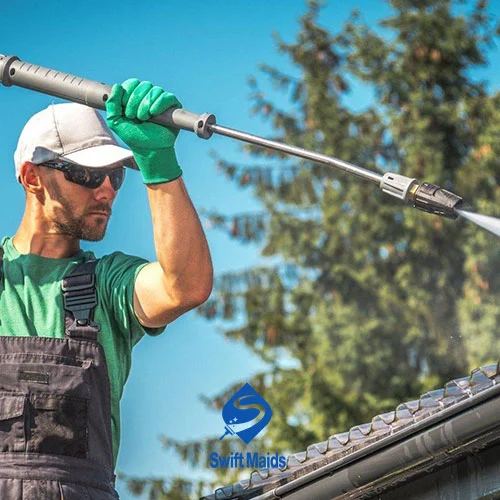

seasonal gutter cleaning
Blog

Maintaining Clean Gutters with Seasonal Gutter Cleaning

Gutter maintenance is one of those oft-overlooked aspects of general home care that becomes hugely important when issues occur. Clogged gutters unable to effectively divert rain runoff lead to problems like water pooling around foundations, flooding basements, unmanaged moisture eroding exteriors, and even ice damming in winter. Staying ahead of debris buildup with vigilant seasonal cleaning keeps water flowing away from your home properly. This preventative care protects siding, masonry, rooflines, and landscaping from damage while safeguarding interiors from flooding and elevated humidity levels. In addition to routine cleaning, checking seasonal gutter cleaning allows for spotting deterioration and addressing the need for replacements and realignments before acute failures. Implementing this regular seasonal system avoids the headaches stemming from neglecting gutters indefinitely. Seasonal Gutter Cleaning | When and How Often to Clean Gutters Determining the optimal time for gutter cleaning depends on various factors, including local climate and foliage. In regions with distinct seasons, it’s advisable to clean gutters at least twice a year—typically in spring and fall. However, areas with milder climates might require more frequent maintenance. Tailoring the seasonal gutter cleaning schedule to your region ensures that your gutters remain free of debris year-round. Read Also: Gutter Cleaning Calgary Essential Tools and Safety Measures Equipping yourself with the right tools is paramount for efficient and safe gutter cleaning. A sturdy ladder, a gutter scoop, a garden hose with a nozzle, and safety gear such as gloves and safety glasses are essential. Safety should be a top priority, with precautions like proper ladder placement, notifying someone of your activity, and ensuring a stable base for the ladder to prevent accidents. professional gutter expert services such as swift Maids can do it all for you as well. The Impact of Weather on Gutter Health Different seasons pose unique challenges to gutter health. In colder climates, addressing snow and ice accumulation is crucial. Preparing gutters for storms and heavy rain involves ensuring downspouts are clear and securely attached. Post-storm inspections are essential to catch any damage or blockages that might have occurred. Here are all you need to know for seasonal gutter cleaning. Spring Cleaning Spring unveils what debris and issues resulted from winter weather: Clear out leaves, sticks, pine needles, and other decaying matter deposited over cold months. A flushing hose nozzle helps dislodge its downspouts. Inspect for any damage from heavy ice, snow, or animal nesting including detached gutters, crushed downspouts, and chewed entry holes needing screens or coverings. Spring storms accentuate existing problems. Early spring tree pollen accumulates rapidly. Unclog yellowed buildup blocking water flow before intensifying spring rains arrive. Remove winter covers. Reseal any leaky joints with fresh caulk and secure loose spike/screw fasteners that vibrated loose from winter winds. Confirm proper slope and realign if needed. Thorough spring cleaning preps gutters for peak rainy season by confirming everything remains structurally sound, watertight, and flowing freely. Summer Maintenance Summer gutter care focuses on keeping them debris-free and watertight: Clean any newly fallen leaves, plant matter, and debris at least twice during summer to limit clogging issues leading into autumn leaf drop. Confirm gutters and downspouts flow freely during heavy summer thunderstorms and tropical storms. Spot blockages directing water incorrectly away from intended drainage paths. Visually check gutter attachment points after violent winds or extreme precipitation. Refasten popped bead straps and realigned disconnected sections overflowing before they detach fully. Hand removes accumulated organic debris like leaves or tennis balls avoiding it washing deeper into downspouts. Prevent stagnant standing water that breeds mosquitos. Staying atop cleaning and checks in summer preserves the capacity to cope with the heavy leaf loads autumn brings. Fall Preparation Fall readies gutters for handling prolific leaves: Thoroughly clean entire gutter systems in early fall after some initial leaves begin falling but before full peak drop. Removing existing light debris prevents trapping the heavier later loads into packed mats. Install temporary foam or mesh gutter guards over shingles and properly sized metal screens inside gutters help block leaves sitting on roof edges from washing in. Guides funnel rainwater in while keeping leaves out. Snaking or flushing all downspouts ensures no sediment or existing barriers impede downward flow. Clear paths mitigate the risk of ice dams forming later when temperatures fluctuate. Ideal fall gutter care tailors protections and maximizes flow volume in anticipation of the exponential leaf debris cascades autumn brings. Preventing packed blockages avoids water-weight damage. if you don’t have access to the right tools you can click here. Year-Round Tasks Beyond seasonal gutter cleaning, ongoing inspection and maintenance is beneficial: Monitor usual problem areas with past leakages like seams and rust spots after storms for new issues beginning to emerge and seal immediately before deterioration spreads. Realign disconnected sections overflowing water incorrectly back into position against fascia using guide sticks to preserve appropriate slope angle facilitating adequate drainage velocity while avoiding splashout erosion. Secure any persistent sagging areas or loose spike/screw fasteners promptly to prevent further displacement leading to complete disconnected downpours dumping beside the home instead of into downspouts. Strain and filter out debris-filled gutter water via external leaf guards or splash blocks when washing out systems to prevent sand, grit, and shingle fragments from flowing further down pipes and accumulating into deeper clogs. Saving bigger structural replacements for dedicated seasons annually, prompt attention to minor leaks, debris buildup, and disconnects anytime keeps systems functioning at peak levels year-round. Addressing Common Gutter Issues and Repairs Regular inspections may reveal common gutter issues such as leaks, corrosion, sagging, or misalignment. Identifying these problems early allows for timely repairs. Leaks can often be addressed with sealant, while corrosion may require patching or replacement of affected sections. Sagging or misaligned gutters might need adjustments or additional hangers for support Professional Cleaning Indicators suggesting hiring a seasonal gutter cleaning service include: Overflowing gutters lack sufficient slope indicating extensive organic masses and sediment beyond reasonable DIY removal requiring expert power washing equipment. Slow drainage or standing water in areas even after attempting home flushing signifies compacted masses of leaves, moss,

Deep clean couch cushions
Blog

How to Do Deep Clean Couch Cushions Process Effectively?

Most things in your home need to be cleaned once in a while. This includes the couch that you and other family members use. Couch cushions are among the things that many people deal with daily, so if they are not well taken care of, they will wear out quickly. Flipping couch cushions every two weeks can prevent excessive wear. At the same time, you should make sure to keep the shape of the cushions. It is also recommended to vacuum the cushions or use special brushes once a week or once in two weeks to clean them because the accumulation of dust and dirt on the cushions can cause various stains and in the end cause a bad smell. Of course, it is better to know that the solutions mentioned only help to reduce wear and stains. It would help if you had a more specific schedule for cleaning your couch cushions. Here, Couch Cleaning Calgary will fully discuss Deep-clean couch cushions, which are one of the essential things at home. How often should you deep-clean couch cushions? A good rule of thumb in answering this question is to Deep clean couch cushions at least twice a year, and if you use the couch regularly, it’s better to do it four times a year. If your couch has covers that can be removable, this will be easier, if not, you may have to clean it the same way. Before doing anything, it is better to check the labels on your couch cushions to make sure what process you should apply to clean them. Couch cushions have special codes that show how you should clean them. As a result, the risk of moisture damage and inappropriate cleaning materials will be eliminated. Couch Cushion Cleaning Codes Code S: This code recommends that the product should be dry cleaned. S stands for solvent here, which means that using water causes damage such as shrinkage or severe staining. Using a mild, waterless solvent or dry-cleaning product is the best way to handle this type of product. Code W: This code is the opposite of the s code. Water-based cleaning is not a problem for this product. Suds from mild detergent solutions or special shampoos without solvents can be very effective. Code WS: This code means that you should not clean this product with any liquid or foam cleaner. The best way to clean this product is to gently clean the surface of the material with a stiff non-metallic brush and then vacuum. Code Wash: If you see this code, it means washing and you can wash the product with a washing machine Note: Use cold or lukewarm water for all the mentioned processes because hot water will damage the product. How to Deep clean couch cushions? Even if you clean your house regularly, couch cushions still need to Deep clean couch cushions every six months. People who own pets may need to deep clean their couch cushions more than anyone else. Here are the main steps of this process: Vacuuming couch cushions Before Deep clean couch cushions, remove them from the couch and vacuum all the parts with the help of a vacuum cleaner that is equipped with a cover brush. If the cushions have removable covers, remove them and wash them in cold water with a washing machine or hand wash them together with the cushions. Fill the tub with water and detergent Fill the bathtub about one-third full with cold water so that there is enough space for the cushions to be submerged and for your hands to move. Add 1 to 2 tablespoons of detergent. It is better to dilute the detergent with your hands and then spread it in water. Soak the cushions in detergent Place the cushions in the detergent and submerge them completely with your hands. Add more water if needed. Depending on the size of the cushions, you may need to wash a maximum of 1 to 2 cushions at the same time. Agitate and soak cushions Stir the cushions with the help of your hands so that the water and detergent penetrate completely into their fibers and all the dirt is removed. Allow the cushions to be in the detergent solution for 10 to 15 minutes, then repeat the movements with your hands. Drain the cushions After the cushions remain in the detergent solution, drain the detergent solution and press the cushions with your hands to remove the water and foam, then fill the tub with clean water and use your hands to remove excess water and foam. Remove from the cushions again. Repeat this process and if necessary, drain and refill the water tub until the bottom of the cushions is completely removed and the water becomes clear. Extrude Excess Water Squeeze as much excess water from the cushions as possible and gently press the cushions to do this, but do not twist them to avoid tearing. Remove the cushions from the tub and place them in clean, dry towels, then squeeze the cushions so that they can absorb more excess water. Allow the cushions to air-dry Allow the cushions to air dry completely before putting them back in place. To even out the drying time of the cushions, place them on a mesh rack or turn them at regular intervals. Setting up a dehumidifier or fan near them can also speed up their drying. How do you deep clean a couch with DIY Upholstery Cleaning Solutions Creating homemade upholstery cleaning solutions is a cost-effective and environmentally friendly way to refresh your furniture. Here are a couple of recipes using common household ingredients: 1. Baking Soda and Essential Oil Cleaner: Ingredients: 1 cup baking soda 5-10 drops of your favorite essential oil (e.g., lavender, tea tree, or lemon) Vacuum cleaner with upholstery attachment Instructions: Start by vacuuming the couch thoroughly to remove loose dirt and debris. In a bowl, mix the baking soda with a few drops of your chosen essential oil. Baking

Professional carpet cleaning vs DIY
Blog

Professional carpet cleaning vs DIY | The best choice

While carpets add comfort and style to your home, everyday use can take a toll. When it comes to cleaning them, you might wonder if professional help is truly needed or if you can tackle it yourself. Stain removal is just one piece of the puzzle. Proper carpet cleaning goes beyond a quick DIY fix – it’s an essential home maintenance task that extends the life and beauty of your carpets. In this blog, we’ll delve into the pros and cons of both professional carpet cleaning and DIY methods, helping you decide which approach is best for your home. Read Also: Carpet Cleaning Calgary Why should you clean your carpets? Your carpet is one of the most important and remarkable features of your home. There are reasons why you should make carpet cleaning a priority. Among the important reasons, the following can be mentioned: life span While surface cleaning improves the appearance of your carpet, deep cleaning extends the life of your carpet, and most carpet manufacturer’s warranties require regular, professional cleaning. Appearance As one of the most important features of your home, the carpet should look fresh and smell good. This is a particular challenge for people with children or pets. Cleaning the carpet at least once a year will help remove old dirt and debris that a vacuum cleaner cannot remove. Health Your carpet absorbs dust, allergens, and many pathogens that can pose risks to your family’s health. Deep cleaning helps keep these contaminants out of your home and family. How often should you clean your carpet? To keep your carpet looking and performing well for as long as possible, manufacturers recommend that you clean your carpet at least every 12 to 18 months, depending on your home’s traffic patterns. In fact, this constant cleaning is a condition of many warranties, so it is definitely recommended that you read your warranty information carefully. Professional carpet cleaning vs DIY: What is the difference? There are many differences between professional carpet cleaning and DIY carpet cleaning. The first important difference is about the people involved in this process. As the name suggests, professional carpet cleaning is done by professional and experienced people, but DIY carpet cleaning is done by homeowners or people who have no training in home cleaning. A professional carpet cleaning technician must have the necessary certification along with the necessary equipment and knowledge to carry out the cleaning process effectively and efficiently. Professional and DIY carpet cleaning are also different in terms of methods. Most professional carpet cleaners use different methods for different types of carpets, they use the best carpet cleaning techniques for you, but in DIY carpet cleaning, you should be careful about common mistakes in washing too much carpet. Professionals will always create the best result for you due to their experience new tools and using the right cleaning products. Pros and Cons of DIY Carpet Cleaning DIY carpet cleaning includes the following: Buying or renting a carpet washing machine Understanding how to work with the device Deciding on a carpet cleaning solution Overall cost is lower than hiring a specialist However, DIY carpet cleaning requires a small financial investment in cleaning equipment and solutions and a large investment of time in the cleaning process. Disadvantages of DIY carpet cleaning include inconsistency in the cleaning process. When trying to clean carpets using rental equipment, the rental is usually scheduled, which results in a rushed job that may not be done very thoroughly. Also, renting or buying carpet washing machines for home use is less powerful than the equipment used by professional carpet cleaners. Pros and Cons of Professional Carpet Cleaning Professional carpet cleaners are experienced and equipped with the right equipment to effectively remove deep dirt and invisible debris from carpets. Also, professional carpet cleaning services are stain removal specialists who can identify different stains and use products and tools. Suitable for removing the hardest and oldest stains. Another main advantage of using professional services is its convenience. One of the disadvantages of hiring a professional carpet cleaning service is its cost. The cost of hiring an expert is more than doing it yourself. Another disadvantage is finding the right time for professional carpet cleaning. Points to consider when contacting a professional carpet cleaner Make sure the company you hire is certified and uses certified technicians. You can ask questions about the background of the technicians who are going to come to your home. Beware of real deals, you usually get what you pay for in the carpet cleaning process. A good carpet cleaning company offers the best service with the best-trained technicians, the most effective cleaning equipment, and environmentally friendly cleaning products. Before signing the contract, be sure to check for additional fees that may be added without your knowledge or additional fees that may need to be considered. What should be avoided when cleaning a DIY carpet? Most likely, you do not have knowledge about carpet cleaning, and as a result, you may make many mistakes in this process, including using too much carpet shampoo, the shampoo that remains on the carpet after cleaning can lead to the ruin of the carpet. Also, the remaining shampoo absorbs dirt. Oversoaking the carpet for washing too much shampoo is one of the common mistakes that you should avoid. Portable steam cleaners are less powerful, so they cannot absorb water and dirt as well as professional cleaning equipment. This can leave you with a damp and moldy carpet. Moving furniture on a wet carpet is another mistake that people make in this process. If you move your furniture too quickly, the stain or paint on the furniture can seep into the carpet and the remaining moisture can lead to mold growth. Hire the Best Professional Carpet Cleaners By reading the Professional Carpet Cleaning vs DIY blog, we are sure that you will make the right decision for your carpet. Professional carpet cleaning may not be as expensive as you think, there are many companies

The Ultimate Guide to Pet-Friendly Cleaning
Blog

The Ultimate Guide to Pet-Friendly Cleaning

As loving pet owners, we want what’s best for our furry family members, including a clean, healthy home environment. However, many conventional cleaning products contain harsh chemicals, toxins, and strong perfumes that can be dangerous to pets. The good news is there are plenty of effective pet-safe cleaning techniques. In this blog of Swift Maids, we share methods of pet-friendly cleaning for tackling messes, odors, grooming, pet items, and more using natural ingredients and tools that get your home sparkling without endangering your animals. With these tips, you can clean your home while also caring for your pets. Tackling Pet Odors Pets can introduce some less-than-pleasant smells into our homes. But you can freshen the air without irritating your pets’ sensitive noses: Spot clean stains and messes as soon as possible to eliminate odor sources. Absorbent materials like baking soda can deodorize. Open windows regularly to circulate fresh air. Use fans to keep air moving. Make natural air fresheners with purified water, essential oils, and botanicals to add light pleasant scents without toxic aerosol sprays. Maintain grooming routines to keep your pets clean. Brush and bathe regularly. Trim fur around paw pads to reduce bacteria. Promptly dispose of pet waste in tight sealing bins inaccessible to dogs or cats. Keep litterboxes fresh and clean. With vigilance and gentle products, you can keep unwanted odors at bay without displeasing your pets’ noses. Cleaning Pet Messes Accidents happen, but pet stains and wastes require thoughtful clean up: For urine, use enzyme-based cleaners designed to fully break down the compounds causing lingering odors. Avoid harsh chemicals that can leave invisible residues. Absorbent materials like pet-safe activated charcoal can be sprinkled liberally on stains or inside crates and litterboxes to control odors naturally. Identify and address conditions prompting inappropriate pet elimination like anxiety or urinary tract infections. Consult your veterinarian for advice. Preventive training helps too. Lift fur and paw prints gently with damp microfiber cloths. Avoid excessive rubbing. Use minimal mild detergent and rinse thoroughly when washing bedding, floor mats, and machine-washable pet items. Patience, positive reinforcement, and pet-formulated cleaners are key to overcoming messy accidents while keeping pets healthy and stress-free. Grooming and Washing Pets Regular grooming prevents messy problems: Bathe pets at recommended frequencies – once a month may suffice for some dogs and cats, while weekly washing is needed for greasier coat types. Use gentle shampoos. Carefully clean inside floppy ears using cotton balls and cleansing solutions vetted by your veterinarian to avoid infections. Brush frequently to manage loose hair. Frequent light brushing is gentler than infrequent power sessions. Trim nails and fur on paws to limit places for germs to hide. Take care not to clip nails too short. Support dental health with pet-safe toothbrushes, gels, and dental chews. Reduce bacteria causing stinky breath. Developing a routine keeps your pets well-groomed and your home cleaner. Cleaning Pet Items Pet accessories and gear need periodic deep cleaning: Use mild soap and hot water to wash food and water bowls thoroughly after use to prevent harmful bacteria buildup. Avoid harsh detergents. Sanitize and disinfect toys by rotating through the dishwasher or washing with pet-safe antibacterial spray. Gently remove accumulated fur from brush and comb tines using an old toothbrush and degreasing dish soap. Frequently launder bedding on a hot sanitizing cycle and air dry in the sun. Wash crates and carriers inside and out the same way. Check yards for hazards like fungus or toxic plants. Rinse away waste. Keep potty areas clean. Regularly cleaning items your pets touch helps control germs without introducing harsh cleaners on their belongings. Maintaining Safe Cleaning Spaces While cleaning, be mindful of pet safety: Ensure all cleaning and chemical products stay completely out of paws’ reach behind secured doors. Read labels and never use products toxic to pets. Seek plant-derived, non-toxic formulations. Clean when pets are confined elsewhere. Close doors and use baby gates to restrict access to freshly cleaned floors and surfaces until completely dry. Pet proof ahead of time by moving delicate furnishings and covering surfaces. Close waste bins. Beware of cords and obstructions. Diffuse calming pet-friendly essential oils like lavender to reduce stress during loud or disruptive cleaning sessions. Take precautions so your cleaning routine benefits but does not endanger your beloved companions. Why Choose Pet-Friendly Cleaning? Our pets, whether they have fur, feathers, or scales, bring joy and companionship to our lives. As responsible pet owners, it’s our duty to ensure their safety and well-being in our homes. One way to achieve this is by adopting pet-friendly cleaning practices. Let’s delve into why it matters: A Healthier Home for Pets and Humans Cleanliness plays a pivotal role in maintaining a healthy environment for both pets and humans. Regular cleaning not only eliminates dirt and allergens but also reduces the risk of diseases and infections. By choosing pet-friendly cleaning, you’re prioritizing the well-being of all household members. Minimizing Exposure to Harmful Chemicals Many conventional cleaning products contain toxic chemicals that can be hazardous to pets. Pets often come into direct contact with surfaces and floors, increasing their vulnerability to these chemicals. Pet-safe cleaning products reduce this risk, ensuring your pets aren’t exposed to harmful substances. Enhancing Air Quality Pet-friendly cleaning helps improve indoor air quality, reducing allergens and irritants that can affect both pets and people. Clean air is essential, especially for pets with respiratory conditions like asthma. Pet-Safe Cleaning Products and Ingredients Not all cleaning products are created equal when it comes to pet safety. It’s crucial to understand what makes a cleaning product pet-safe and the benefits of choosing such products for your home: What Makes a Cleaning Product Pet-Safe? Pet-safe cleaning products are those that do not contain toxic ingredients harmful to pets. They are free from chemicals like ammonia, bleach, and phthalates, which can cause respiratory issues, skin irritation, and digestive problems in animals. Instead, these products rely on natural and non-toxic ingredients. Benefits of Pet-Safe Cleaning Products Reduced risk of chemical exposure for pets Safer and

how to clean a leather sofa
Blog

How to clean a leather sofa and removing the stains professionally ?

Knowing How to clean a leather sofa can help keep it shiny and new. Like all sofas, daily use can cause wear and tear and even stains. The good news we have for you is that leather sofa is very durable and it can be said that leather sofa is a good option for those who have children or pets at home. You can stay with Swift Maids to learn the correct way to clean a leather sofa. These tips will help you a lot to clean leather sofas. All types of sofa leather The quality of sofa leather depends on the type of leather used and how it is processed and finished. In this section, we would like to explain the types of sofa leather: Aniline: Aniline leather is a full-grain leather that has been treated with the chemical Aniline. This is valuable for seeing pores and blemishes on the skin. Aniline leather is extremely soft but does not have a protective coating to prevent its surface from getting stained. Semi-aniline: Semi-aniline is processed with the thickest protective coating compared to Aniline and is more resistant to stains, more durable, and cheaper than Aniline. Pigmented or Protected: Natural leather is coated with a polymer that has colored pigments to create the most durable, resistant, and least vulnerable to stains for the sofa. Suede: Natural suede leather is created from the soft underside of split-grain animal skin and has a diaper finish that stains easily. There are special care and cleaning procedures for this type of leather that must be followed. Except for suede, the methods of cleaning leather sofas are the same, but to achieve better results, you can use the specific cleaning instructions of the sofa manufacturer and test the cleaning products on a part of the sofa to ensure the stability of the leather color. How often should a leather sofa be cleaned? Depending on the color and number of stains, your leather sofa should be cleaned once or twice a year. Our recommendation is to clean light-colored leathers once every six months and dark leathers once a year. However, stains should be cleaned as soon as possible, and leather sofas should be vacuumed and dusted regularly, once every two weeks. Tips before you start cleaning Before you start the sofa cleaning process, you should check if your sofa has a warranty or not. Try to follow the manufacturer’s instructions when cleaning your sofa and keep the following points in mind: Never use ammonia or products that contain bleach, these items will damage the leather. Do not use wet wipes or antiseptic spray, they can damage the leather covering of your sofa. Be careful when using water, using too much water can cause stains. It’s best to use damp cloths rather than wet ones. Do not use harsh chemicals on the leather sofa, substances such as alcohol or leather shoe polish should not be used. These items are not designed to be used on sofas and can damage your sofa. The tools you need to clean the sofa with leather cleaner: Vacuum Duster (optional) Microfiber cloths Leather cleaner and conditioner Mild dish soap (optional) baking soda (optional) How to clean a leather sofa with leather cleaner: First step: vacuuming and dusting Fortunately, we can say that a leather sofa is a very easy option to clean. Use a vacuum cleaner to remove any debris from your sofa. If your sofa cushions are removable, remove them to vacuum the underside. Also, vacuum the edges of the cushion and the sofa frame. For the recliners, check the lower parts as dirt collects in these areas. Second step: Spray leather cleaner Leather cleaning products can help remove dirt and stains so that your leather sofa is as new as day one. Some products have softening properties in addition to cleaning. Using a combination product can be more convenient for you. Be careful that instead of spraying the cleaner directly on the sofa, spray it on the fabric. This prevents the effects of the spray from remaining. The third step: wipe the couch Start at the top of the sofa and gently pull the fabric around the sofa, making sure to clean the edges, corners, and nooks as well. Try to do the cleaning process from top to bottom to avoid creating uneven polish spots. If needed, you can use cleaner on the cloth during the cleaning process, but remember not to completely wet the cloth. Fourth step: applying leather softener After the cleaning process is finished, apply some softener to a clean cloth and then rub it on the sofa. The softeners are great because they contain healthy oils and freshen up your sofa, they also smell great. Step 5: Let the softener dry After you apply the softener on the sofa, allow the leather to dry for an hour or more so that the product penetrates completely. After the softener dries, you have a leather sofa that looks like you just bought it. Removing stains from leather sofa Stains are an inevitable factor in getting sofa dirty because we all use sofa daily, even sometimes we eat on it. But it is better to know that removing stains from a leather sofa is not a difficult task. You can follow the following steps to get rid of common stains: Dip a clean cloth in a bowl of warm water mixed with dish soap, then squeeze out the excess water until it is just damp. Rub around the spots in small circles until the spots are removed. Do not pull the towel back and forth as this will cause wear and tear and damage the surface of the fur. Dry the couch. Be careful not to skip this step. If the water dries by itself, it will weaken the leather, so it is important to use a dry cloth and dry the sofa from top to bottom. How to keep the leather sofa clean for a long time? As

clean gutters without ladder
Blog

How to Clean gutters without ladder in smart way?

Learning how to Clean gutters without ladder can save you from the many dangers that this method of gutter cleaning brings. Using a ladder is not only scary but also exposes you to a fall, which can lead to head injuries, broken bones, or even death. Considering that cleaning the house gutters is necessary, innovative methods can help you to do the house gutter cleaning process with a little creativity and special tools. Here at Gutter cleaning Calgary are some of the best ways to Clean gutters without a ladder. Smart ideas for Clean gutters without ladder In the following, we have brought you some smart ideas that you can use to clean your gutters without a ladder. Use a Gutter Cleaning Wand Hose Attachment A gutter cleaning wand is a tool that you can connect to any type of garden hose and use water to wash gutter debris. This idea can be used for gutters that are easy to access. Use a Leaf Blower Gutter Cleaning Kit Leaf Blower Gutter Cleaning Kit is a tool that you can attach to the end of the nozzle of a leaf blower and turn it into an effective tool for cleaning gutters without a ladder. Once you’ve attached the kit to your leaf blower, place the tip in your gutter and blow from side to side. Clip the Debris Out of the Gutter With Gutter Tongs Gutter Tongs consist of a long pole, handle, trigger and Tongs at one end. The extendable rod gives you the ability to reach high gutters, while the trigger gives you the ability to control the tongs, grab and dispose of debris. Use a Gutter Vacuum Gutter vacuums have extensions that allow you to clean your gutters without having to climb a ladder. These vacuum cleaners can easily remove dirt, debris and even the most stubborn clogs. Use a Telescoping Wand Extension With Your Power Washer Pressurized water gives you the ability to remove debris from your gutters and clean them more effectively than a regular hose. Install a Gutter Filter for Your Roof Gutters Gutter filters consist of a metal mesh that you can install on your gutters to prevent debris from falling into them and avoid the hassle of cleaning the gutters. Gutter Sense Cleaning Tool This gutter cleaning calgary tool has Tongs that you can attach to a pole. The Tongs go flat into your gutters and remove all dirt and debris. Gutter Flusher Gutter flushers use a high-powered jet stream garden hose attachment that removes dirt and debris from gutters. They usually include expandable metal poles that you can attach to any hose. Leaf Blower You can use a leaf blower to clean the gutters from the ground with the help of a special nozzle that you can attach and detach as you wish. Gutter Cleaning Applicator Gutter cleaning applicators attach to an extendable pole, giving you the ability to clean exterior gutter surfaces while standing on the ground, eliminating the need for a ladder. Electric washer When determining how to clean gutters without a ladder, connecting some fittings to an electric washer is one of the other solutions you can use. Robotic gutter cleaners for cleaning gutters without a ladder Robotic gutter cleaners have surfaced as creative ways to streamline the frequently difficult chore of keeping gutters clear of debris and it’s one of the cleaning gutters without a ladder ways. These robotic tools eliminate the need for a ladder or human assistance by autonomously navigating through gutters to collect leaves, dirt, and other debris. These robots provide homeowners with a practical and effective substitute thanks to their innovative technology and intuitive features. Gutter cleaning robots are devices that are usually fitted with revolving brushes, strong suction, and occasionally even water jets to efficiently loosen and clear the buildup of debris. These devices’ autonomous design enables them to travel the entire gutter, reaching locations that might be hazardous for a person to safely access. Numerous models can adjust to different gutter materials and are made to function in a variety of gutter configurations. The ability of gutter cleaning robots to increase safety is one of their main benefits. These robots reduce the risks associated with manual gutter cleaning by removing the need for people to access rooftops or climb ladders. This is especially helpful for homeowners looking for a safer and more convenient gutter cleaning solution or who might find heights uncomfortable. Another noteworthy aspect of gutter cleaning robots is their easy-to-use operation. Users can program the robot to navigate particular sections of the gutter, ensuring a thorough cleaning procedure. The robot is typically controlled through a remote or a smartphone app. Additionally, some models come with real-time monitoring so that homeowners can keep an eye on the cleaning process from the ground. Robotic gutter cleaners are efficient and safe, but it’s essential to think about whether they’re right for the different kinds and conditions of gutters. The effectiveness of such devices can be affected by many different variables, including the size, design, and amount of debris accumulation in the gutter. In addition, the possible long-term savings from lower maintenance costs and higher safety should be considered when comparing the initial investment cost. In conclusion, for homeowners wishing to streamline gutter maintenance, gutter cleaning robots offer a cutting-edge and intuitive technological solution. These robots help to maintain gutters clear and functional while also increasing efficiency and safety by automating the cleaning process and removing the need for human intervention at heights. Advantages of cleaning gutters without a ladder By using methods of cleaning gutters without a ladder, you can benefit from many advantages; some of these advantages are mentioned below: Cleaning Gutters Prevents Water Damage to Your Home: Clean gutters are more effective at draining water and protecting your home from water damage. Prevents Expensive Landscaping Damage: Gutters that direct water away from your property prevent damage to your expensive landscaping. Extends Roof Life: Clogged gutters are a breeding ground for

Persian rug cleaning
Blog

Persian Rug Cleaning Tips for Longevity and Eleganc

Persian rug cleaning is an essential aspect of preserving the aesthetic appeal of these home-enhancing items. Renowned for their quality, durability, and intricate handmade patterns, these woolen rugs embody lasting elegance. Crafting an authentic Iranian rug requires 2 to 5 years, ensuring generations of timeless beauty when maintained with proper care. Understanding the intricacies of Persian rug cleaning is vital for preserving their lifespan. While the process isn’t complex, these rugs require unique attention. Cleaning woolen carpets differs from other types, and neglecting this can lead to damage or color fading. How often should I do Persian rug cleaning? Swiftmaids recommends that you do Persian rug cleaning at least once a year. If you have small children or pets and you use the rug a lot, you can do it every six months. For deep cleaning of Iranian rugs throughout the year, it is better to vacuum them carefully. If the rug is in good condition, you can turn it upside down and sweep the back with a cleaning brush and a vacuum cleaner, and this will remove the dirt from the rug fibers. As a tip, remember not to do this with fragile rugs. Another point that you should keep in mind is that you should never vacuum the edges of the rug because this can damage them. Instead, take the vacuum hose and gently pull the delicate border of the rug. You can also shake the rug to remove debris. For larger rugs, you can get help from other people. Rug Cleaning Calgary final recommendation is to rotate your carpet every six months to ensure wear and tear from traffic and sunlight. How does Persian rug cleaning? In this section, there are several steps along with useful tips for Persian rug cleaning: Check the carpet label Be sure to go through this step before starting to clean the carpet. Lift the corners of the rug to reveal the label. This label usually tells you about the safest way to clean. Cleaning silk, wool, cotton, or synthetic rugs requires special skills; that’s why it’s better to check the label first. Cotton and wool carpets are stronger and easier to clean than other carpets. However it is better to leave the Iranian silk carpet to a specialist if it has severe stains. Vacuum your Persian rug. This step gives you the ability to get rid of any dirt or debris. Let’s examine the correct way of vacuuming: Place the rug on the floor Vacuum the carpet gently to remove excess abrasives, pet hair, and dirt. Repeat the above steps at least three times on both sides of the carpet. This will help you get rid of any dust in the carpet When vacuuming your handmade carpet, you should consider the following points: Do not use a vacuum cleaner on the edges of the carpet because it may damage them Draw electricity towards the fibers of the carpet, not against them However, it should be said that vacuuming is not effective for all Iranian carpets. If you want to clean an antique or expensive rug, you need specialized tools. Check the carpet for dust and dirt Once you have checked the dirt, you can clean the carpet. Removing dust from the carpet is easy: take out the carpet and shake it to remove the dust from the carpet. Wash and dry your Persian rug. It is great to wash the carpet on a sunny day; you can dry the carpet with the heat of the sun. Below is the method of Persian rug cleaning: Take out your rug Pull the carpet down from both sides until it is completely wet Massage the special detergent on the carpet Wash the carpet with your hands Turn the carpet over and wash the back as well After washing the carpet, draining is the next step. A hose with an adjustable nozzle is great for draining carpets. You can follow the following steps to drain the carpet: Continue to scrub the soap from your carpet until all the suds are gone Repeat the above step for the back of the carpet Then, turn the carpet over and rinse once more. As much as you can, direct the water from the carpet to the outside. Read Also: Professional Rug Dry Cleaning | All You Need To Know About Dry your Persian rug completely Before you try to dry your handwoven rug, you need to decide when it is best to expose the rug to sunlight. Carpet drying can take a day or two. Maybe after a day, you feel that the carpet is dry, but you should devote more time to this task. Also, keep in mind that the back of the carpet should be dried in the sun. Keep in mind that the color of the carpet may fade when exposed to direct sunlight, so be sure to turn your carpet at least once a month so that the color fades evenly. After a day or two, check the carpet fibers to see if they are dry. Remove odors from your carpet Various solutions can help you get rid of the bad smells of Iranian carpets. The combination of vinegar, water, and detergent is one of these solutions that you can use. Using this mixture will remove odors and stains from your carpet and give it a good look. How not to do Persian rug cleaning? If you have researched this, you will realize that you should avoid using very hot water or chemicals to clean Iranian carpets. Persian rug cleaning with liquid cleaners, apart from simple cleaning, can cause a lot of damage to them. Maybe at the beginning of using these carpet materials, it may seem like no problem, but it will probably get dirty sooner than before. Frequently asked questions about Persian rug cleaning Here Rug Cleaning Calgary is going to answer your frequently asked questions about Persian rug cleaning: Can you steam-clean an Iranian carpet? The answer to this question

benefits of air duct cleaning
Blog

The top Benefits of air duct cleaning that you have to know

Your air ducts are like the home’s breathing system, quietly delivering heated or cooled air throughout the house. But if neglected, they can become clogged with dust, pollen, mold, and other debris. When you turn on your HVAC system, these pollutants can circulate and make your home less comfortable. That’s why regular air duct cleaning is important. In this article, Swiftmaids highlights some of the key benefits of air duct cleaning. So, if you’re interested in learning more about this service, keep reading! Understanding duct cleaning Air ducts should be cleaned periodically to remove dust and dirt. In each room, there are registers and diffusers, as well as supply and return air channels. Powerful vacuum cleaners remove dust and garbage, and they are prevented from recirculating around the house. A professional duct cleaning Calgary company has the equipment needed to clean the air ducts and create a healthier environment inside your home. For best results and maintenance, we recommend having your air ducts cleaned every three to five years. Of course, in some cases, this time is reduced to two to three years. Benefits of air duct cleaning Hiring a professional duct cleaning Calgary company is one of the most important steps you can take to improve the air quality inside your home or workplace. Professional air duct cleaning has many benefits. In the following, we would like to tell you the Benefits of air duct cleaning: The overall air quality improves The air inside your home should always be clean and healthy. A clean air duct system helps achieve these conditions. It is better to know that all airborne particles from dirty air ducts cause unclean air in the house. Dust, pet dander, mold, and other things can play an important role in air pollution from ducts. Reduction of allergens Allergens are substances that cause allergic reactions in people, but this issue can be effectively controlled by keeping the air duct system of the house clean. Checking and cleaning the system regularly is a good way to prevent or minimize the accumulation of these substances and control them. Odor reduction Dirty ducts can collect foul-smelling molecules; in fact they can spread foul-smelling air throughout the house. Thorough air duct cleaning removes odor-causing molecules, resulting in a fresher-smelling home. Less chance of needed repair When you clean your air ducts regularly, you are less likely to need AC repairs. Air duct cleaning helps your HVAC technician catch potential problems before they happen. Energy saving Keeping your ductwork clean and fresh will likely save you money on your energy bill. Your air conditioner isn’t working as hard to keep your home cool in the summer and warm in the winter. These main appliances are designed to work in a relatively clean environment. By keeping the air ducts clean, these units can operate at high efficiency. Mold Prevention Condensation from central air conditioning can build up inside dark air ducts, a perfect environment for mold to grow. If this condition is not addressed, it can lead to serious health consequences. Regular duct cleaning by a certified HVAC technician will help ensure that your air ducts do not become a breeding ground for these unhealthy pathogens. Creating a cleaner living environment Professional air duct cleaning reduces dust that otherwise circulates throughout your living space, on furniture, bedding, flooring, and almost everywhere else in the house. Fortunately, thorough cleaning of air ducts reduces the amount of internal dust cleaning required to maintain a sanitary home. Helping people breathe easier Even if no one in your family has chronic allergies or breathing problems, clean air makes it easier for everyone to breathe. Even among the healthiest people, dust and pollutants can get into the nose and lungs. It can cause sneezing and coughing and sinus problems. Cleaning the air duct creates a more comfortable environment and improves people’s well-being. Keeping the house safe Dirty ducts can cause fires. Over time, dirt, lint, and other materials can accumulate inside the duct and, when heated, can ignite and cause a fire. This can cause great damage to your valuable property and even put your life and other people in the house at risk. This problem is more common for people who have an old HVAC unit or use a fireplace. As a result, it is essential to clean your air ducts regularly to reduce fire risks and keep your home safe. Longer life of air filters Air filters absorb condensation and other contaminants in indoor air. If there is too much dust in the duct, the air filters will clog faster than usual. As a result, more attention should be paid to them; that is, they should be cleaned or replaced. This can be a bit tedious, so a better idea is to clean the ducts regularly to remove these contaminants and help extend the life of your filters. Diagnosing other problems by technicians during duct cleaning If you’re looking for professional duct cleaning services, technicians can diagnose other issues with air ducts. They can also insulate the duct if necessary to improve the efficiency of your unit. An expert can quickly identify and fix any other problem in your air conditioning system that you didn’t notice before. They change or clean air filters, lubricate parts, and make sure all other components are working properly. Fixing minor problems will help prevent more extensive damage in the future. Reduce noise from the HVAC System Loud air conditioning fans can be annoying. If your air conditioner produces too much noise, you may not be able to have personal conversations or watch TV easily. Even if you try to sleep, you may find it difficult. Talk to an HVAC professional to eliminate the frictional noise created when fan blades rub against dirty ducts or when the fans’ airflow throws around loose particles. Thorough cleaning and sanitizing will make an immediate difference in noise levels. The importance of educating homeowners and businesses about duct cleaning benefits It is important to

Carpet vs rug cleaning
Blog

Carpet vs rug cleaning | What is the exact different

Nothing adds beauty to a living room like a high-quality rug or carpet. The right carpet or rug can be an excellent solution to combine the style of furniture, curtains, technology, and light fixtures at home. Beyond that, rugs and carpets help keep people at home comfortable by giving you a nice, warm place to put your feet and a good place for pets to nap. But what to do when the carpet and rug need cleaning? Dust, pets, stains, and other things can make even the best carpets and rugs dirty and look bad. When you do not have the necessary equipment to clean the carpet and rug, it is better to leave it to the professionals of this service. The right professional cleaning services can create a different result for you and clean them without any risk to the integrity of your carpets and rugs. However, when you need a professional team for this work, two options are in front of you: rug cleaning or a carpet cleaning. You definitely want to know more about Carpet vs rug cleaning. This is a good place to get the information you need. You can learn how each service works with the help of a Carpet vs rug cleaning guide. Read Also: Carpet Cleaning Calgary Are carpets and rugs different? You might think to yourself that carpets and rugs are similar things and can be cleaned in the same way. Unfortunately, this attitude has caused many carpets and rugs to be damaged or destroyed. In fact, carpets and rugs have many differences, which is why their cleaning process is also different. As a professional rug cleaning Calgary team, we plan to check Carpet vs rug cleaning topics. Construction The biggest and most obvious difference in the Carpet vs rug cleaning topic is in the way they are made. Rugs are usually movable, but carpets stay in place for years. In order to realize this issue, the method of making them is different. As a result, their care is also different. Fringe Fringe is the decorative border of a carpet that has loose, hanging tassels. Borders are not found on carpets but are common on rugs. These edges need a lot of care and are removed with a vacuum cleaner. In fact, border rugs need special cleaning in order not to be damaged. Dry soil removal One of the other differences in the Carpet vs rug cleaning topic is that most rugs are made thicker with a dense pile structure, which means they usually have more fibers than standard carpets. As a result, carpets tend to absorb dirt and dust. A vacuum cleaner cannot completely remove the dust between the fine fibers. As a result, it is better to trust a professional rug cleaning Calgary service to remove all the dirt easily for you. Bleeding Most carpets are monochromatic; If it happens that this color bleeds, it usually isn’t a problem. However, carpets with complex designs and color bleeding can completely ruin the design. For this reason, it is very important to use the right solutions and methods to clean carpets in order to prevent bleeding and fading. Tea wash / Antiquing Another dye issue to be aware of is antiquing, a process done by the manufacturer or importer to make the carpet look older and more expensive. Antiquing is common in some types of rugs but less so in carpets. It is usually a layer of very aggressive acid wash or post-treatment of tea dying that can be washed away during the cleaning process. If this happens, a professional can reapply the layer after cleaning. Proper training Our carpet cleaning service team goes through a lot of training. It acquires the necessary knowledge to clean different types of carpets and rugs without damaging them, so be careful not to hire non-professionals to clean your carpets and rugs. Before you hire a team, ask them and make sure they have passed the necessary training. Carpet vs rug cleaning: Carpet cleaning services Let’s start with this common service that you can find anywhere. These services have different prices, and usually, every company considers certain factors to offer prices to its customers. Carpet cleaning services use portable or truck-mounted equipment to clean carpets. Be careful to choose a company that has the necessary skills in this field, and your carpets will not be damaged in this process. Most rugs, such as Iranian rugs or oriental rugs, need special solutions during washing to maintain their quality. To avoid damaging these expensive carpets, you need to make sure to clean them properly. Rug cleaning services While carpet cleaning services may be suitable for you, rug cleaning requires more skill and attention to detail. Rug cleaning service is a specialized service that includes special precautions to ensure that your rug maintains its shape, fiber quality, and color vibrancy. Rug cleaning services are performed by manual and machine methods, and the integrity of the Rug is maintained in both methods, and all rug fibers are deeply cleaned. This is different from the carpet cleaning service, usually, a machine is used to clean the carpet or rug. Rug Cleaning & Carpet Cleaning by Swift Maids There are different types of carpets and rugs in the houses, so the specialized care of each one should be considered. Because buying carpets and rugs is an expensive investment, proper services should be considered for it. Carpet vs rug cleaning is best left to professionals, and it is not good to leave this service to non-professionals. Before you choose your team, do the necessary research so that you can make the right decision. swift Maids team knows how to properly clean your carpets and rugs without damaging them.

Scroll to Top