
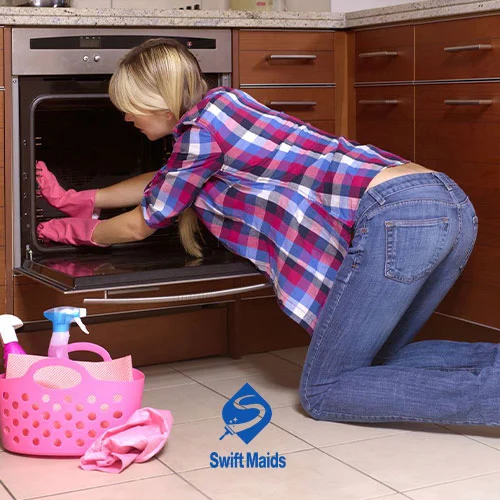
The Best Way to Clean Burnt Oven
It’s common in Home cleaning Calgary, for ovens to get grimy and burnt over time, especially if heavily used for roasting, baking, or broiling. Food splatters and spills that are not promptly cleaned can get baked on and charred into stubborn, hard to remove residues. Dealing with a burnt, greasy oven is frustrating, but with the right techniques and cleaning solutions it can be restored. This blog post will cover methods for assessing oven damage, best way to clean burnt oven, odor removal, prevention, and when to seek professional cleaning services. Assessing the Level of Damage Before choosing best oven cleaning tips, thoroughly examine your oven’s interior to gauge the extent of the mess. Check the top, bottom, walls, door seals, windows, and racks. Light splatter that appears as specks or a thin film will be simpler to treat, while proliferated thick greasy deposits or large charred areas indicate a deeper clean is needed. Use a flashlight to illuminate all corners and crevices. Also smell for any lingering odors, which may require deodorizing. Visually survey the damage to determine if a routine light clean versus heavy duty approach is required. for more professional cleaning experts you can be in touch with Swift Maids. Best Oven Cleaning Tips for Routine Light Cleaning Utilize the natural cleaning power of baking soda with a simple and effective paste. Follow these steps to tackle minor, recent splatters as best way to clean burnt oven that appear more as surface stains than thick buildup. Mixing the Paste: Combine 3 parts baking soda with 1 part water until you achieve a thick, spreadable paste. Application: Using a damp cloth, soft sponge, or non-abrasive scrubbing pad, gently spread the baking soda paste onto the affected areas of the oven. Waiting Period: Allow the paste to sit for 15-20 minutes, letting the alkaline nature of baking soda lift and dissolve greasy splatters. Wiping Away: After the waiting period, wipe away the paste, leaving surfaces cleaner and refreshed. Final Scrub: Follow up by scrubbing the treated area with warm soapy water to rinse away any remaining residue. Drying: Ensure thorough drying before using the oven again, maintaining a pristine cooking environment. Effortless Removal of Light Splatter Discover a straightforward clean oven tricks to clear away light splatter with minimal effort, ensuring your oven stays in top condition for your culinary endeavors. Quick Application: The paste method offers a quick and efficient solution for addressing minor surface stains, saving you time and effort. Gentle Cleaning: The use of a damp cloth, soft sponge, or non-abrasive scrubbing pad ensures gentle cleaning without causing damage to your oven surfaces. Effective Grease Dissolution: Baking soda’s alkaline properties effectively dissolve greasy splatters, leaving your oven looking and feeling refreshed. Thorough Rinse: The warm soapy water scrub serves as a thorough rinse, ensuring no residue is left behind after the cleaning process. Readiness for Use: With minimal effort, this technique leaves your oven ready for immediate use, allowing you to resume your cooking activities without delay. Methods for Deep Cleaning Heavily Soiled Ovens For ovens with heavy grime buildup or large carbonized grease stains indicating deeper penetration, to achieve the best way to clean burnt oven, more aggressive chemicals cleaners are needed. Start by donning gloves and opening windows for ventilation when applying strong degreasing agents. Specialized oven cleaner sprays or gels work well for this job. Apply them liberally onto heavily soiled areas, avoiding bare hands. Let the caustic cleaner sit for at least overnight before attempting to scrub and rinse. The longer it can penetrate, the better. Use plastic scouring pads and metal scrapers designed for oven cleaning to slough off the grime without scratching surfaces when scrubbing. Avoid metal brushes or pads that could cause scratches. Rinse thoroughly with hot water. Repeat applications if some deposits still remain. Powerful oven cleaners contain lye or sodium hydroxide which can dissolve even stubborn burned on carbonized grease stains with extended soak time. Tackling Lingering Odors Even after removing visible grime, burnt oven odors may linger. To complete the best way to clean burnt oven, start by cleaning out any grease or food debris from cracks and vents using a small vacuum nozzle or toothbrush. Then place a small open bowl of white vinegar or baking soda in the cold oven overnight. The acetic acid in vinegar dissolves residues while absorbing odors. Baking soda acts as a natural deodorizer. For quicker odor treatment, boil a lemon slice and water mixture in the oven for 30 minutes as the citrus scent helps override burnt smells. Commercial oven deodorizing sprays applied to walls and crevices can also neutralize stubborn odors when other methods fall short. Preventative Maintenance and Habits Maintaining a spotless oven involves more than just periodic deep clean oven tricks. Consider adopting these proactive measures to minimize soiling between thorough cleaning sessions: Strategic Use of Parchment Paper or Foil When preparing notoriously messy items such as roasts, pies, or casseroles, strategically line baking sheets and the oven bottom with parchment paper or foil. This not only facilitates easy cleanup but also prevents stubborn drips and splatters from adhering to the oven surfaces. Mindful Cooking with Timers Stay vigilant during cooking sessions by setting kitchen timers and remaining nearby. Avoid the pitfall of forgetting items inside the oven for prolonged periods, as unattended dishes are more prone to charring disasters. Timely attention contributes to a cleaner oven in the long run. Light Oven Wipe Downs After Each Use Adopt the habit of performing light wipe downs after each use. Dealing with grime immediately is not only easier but also prevents the buildup of stubborn residues. A quick wipe of surfaces can go a long way in maintaining a consistently clean oven. Foil Coating for Easy Cleanup Extend the lifespan of your oven racks, walls, and door exteriors by keeping them coated in foil. This simple step ensures easy peel-off cleaning as needed. Regularly replacing the foil prevents the accumulation of baked-on residues, maintaining a pristine oven